


A member of the African Union's Transitional Group says the historical injustices against Africans need to be contextualised, as colonialism was an organisational project.
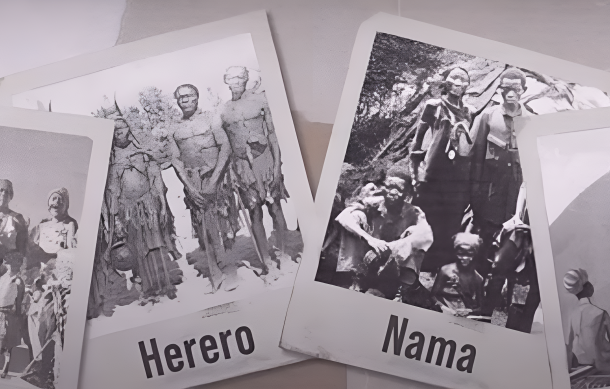
Steven |Haraǂgaeb, in an interview with nbc News, also explored the 1904-1908 genocide that happened in Namibia, colonialism in Africa as a whole, slavery that Black people experienced and the significance of redress through reparations.
The theme for this year's Africa Day explores the modern-day effects of the atrocities that happened in Africa in an effort to move from a conflict to a post-conflict society.
Groups such as the AU Transitional Justice Group say that the violence perpetrated against Africans did not just stay in Africa; therefore, reparations and justice need to be contextualised for the affected communities as a whole.
"We have to think about reparations and justice, not just from an African perspective in terms of people that live in Africa, but also those who were taken out of this continent, and the second thing that we need to think about is that colonialism was an organisational project. It was not a one-man show. It was a one-country show. It was countries coming together and perpetuating violence against Black folk."
He said Namibians need to look at the genocide experience of Namibians as the harm experienced by Namibians as opposed to the Namas and Hereros.
|Haraǂgaeb further stated that money should not be the only means to atone, but stakeholders should also think about the cultural genocide experienced by these groups, the dispossession of ancestral land and the families that suffered.
"There are some acts that would happen that people got harmed along the way, said that it has taken place, and therefore the redress has to be accompanied by the same thing as well, and not only to those people that were impacted but also the descendants thereof. Even some issues, as, for example, bringing home the remains of those who have been exterminated, that many who grieve family members grieve those who they have lost but have no bodies, have nothing physical to grieve; that ambiguous loss continues to super-perpetuate right now."