


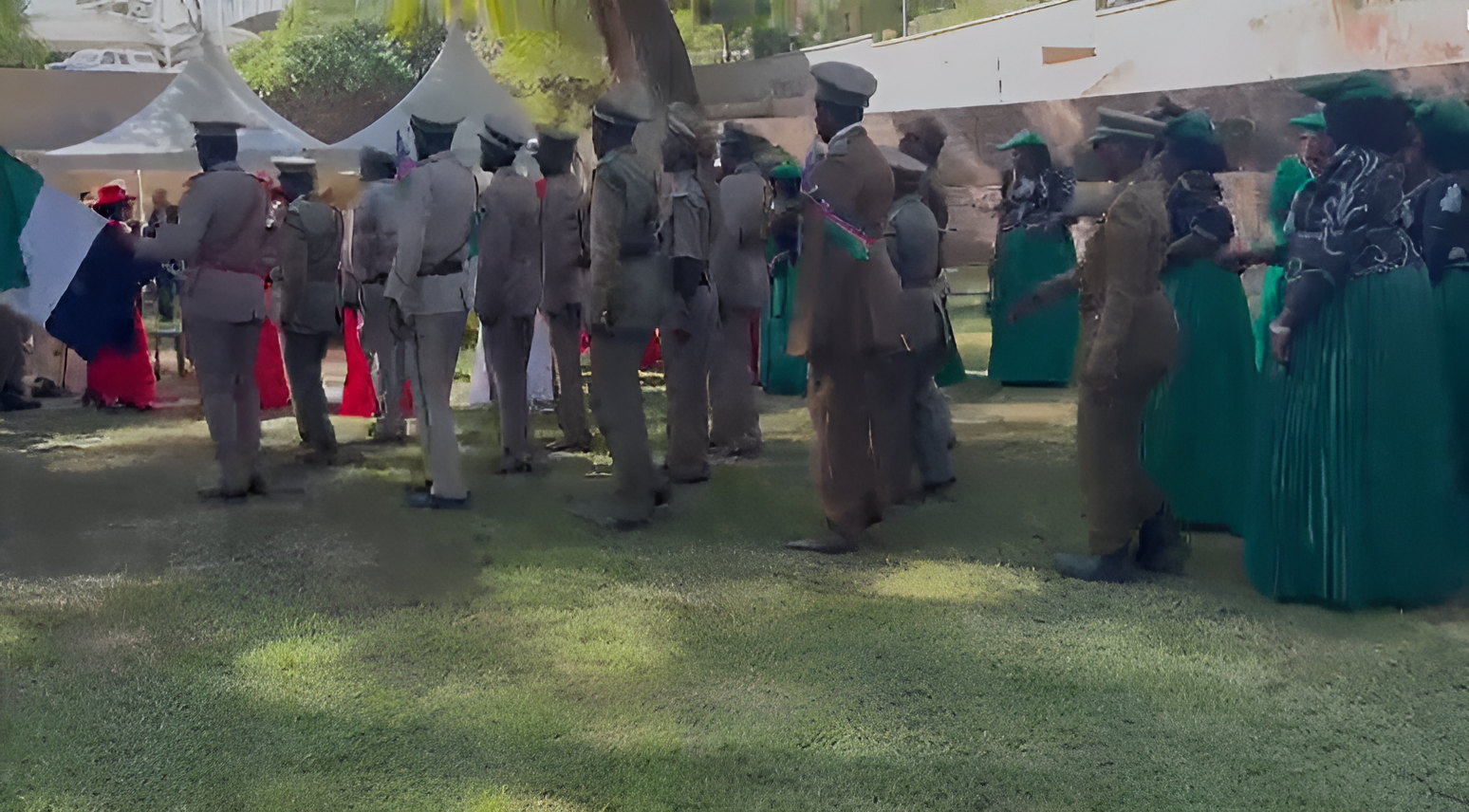
The Parliament Gardens in Windhoek were alive with the vibrant colours and rich cultures of Namibia today, as people gathered to mark Genocide Remembrance Day.
While the day was set aside to honour and remember those who died in the genocide, the atmosphere was one of unity and cultural pride.
The affected communities led the way with cultural marches, traditional singing, dances, and performances that spoke to the pain and resilience of their history.
Dressed in their distinctive colours, they paid homage to their ancestors and ensured that the memory of the past was not forgotten.
Although it was a solemn occasion, many came not only to grieve but also to stand in solidarity and show their respect.
The Parliament Gardens became a symbol of remembrance, resilience, and a promise to never forget those who were lost.
Gaob Immanuel |Gaseb, the Chairperson of the Council of Traditional Authorities, has expressed gratitude towards the government.
"I have never thought that the talks of genocide would come to a final conclusion. I am grateful to the government of this country for the tolerance to keep the peace and to conclude this day as the day of remembrance in my lifetime. I am praying to God for forgiving hearts and peace, and harmony. This gathering is for unity, and it will only be peaceful, and we will never be divided. I would also like to show gratitude to Her Excellency Nandi Ndatwai for making this day a reality, and since you started that, everything is just moving in the direction of unity."
Speaker of the National Assembly Saara Kuugongelwa-Amadhila spoke about how the day has brought about a united front.
"The government of the Republic of Namibia is indeed to be commended for making this most important event of genocide commemoration and for mobilising Namibians to come together to honour our compatriots who lost their lives or otherwise endured suffering during genocide. It is most befitting that all Namibians come together as one united family to commemorate this important day in our history."