


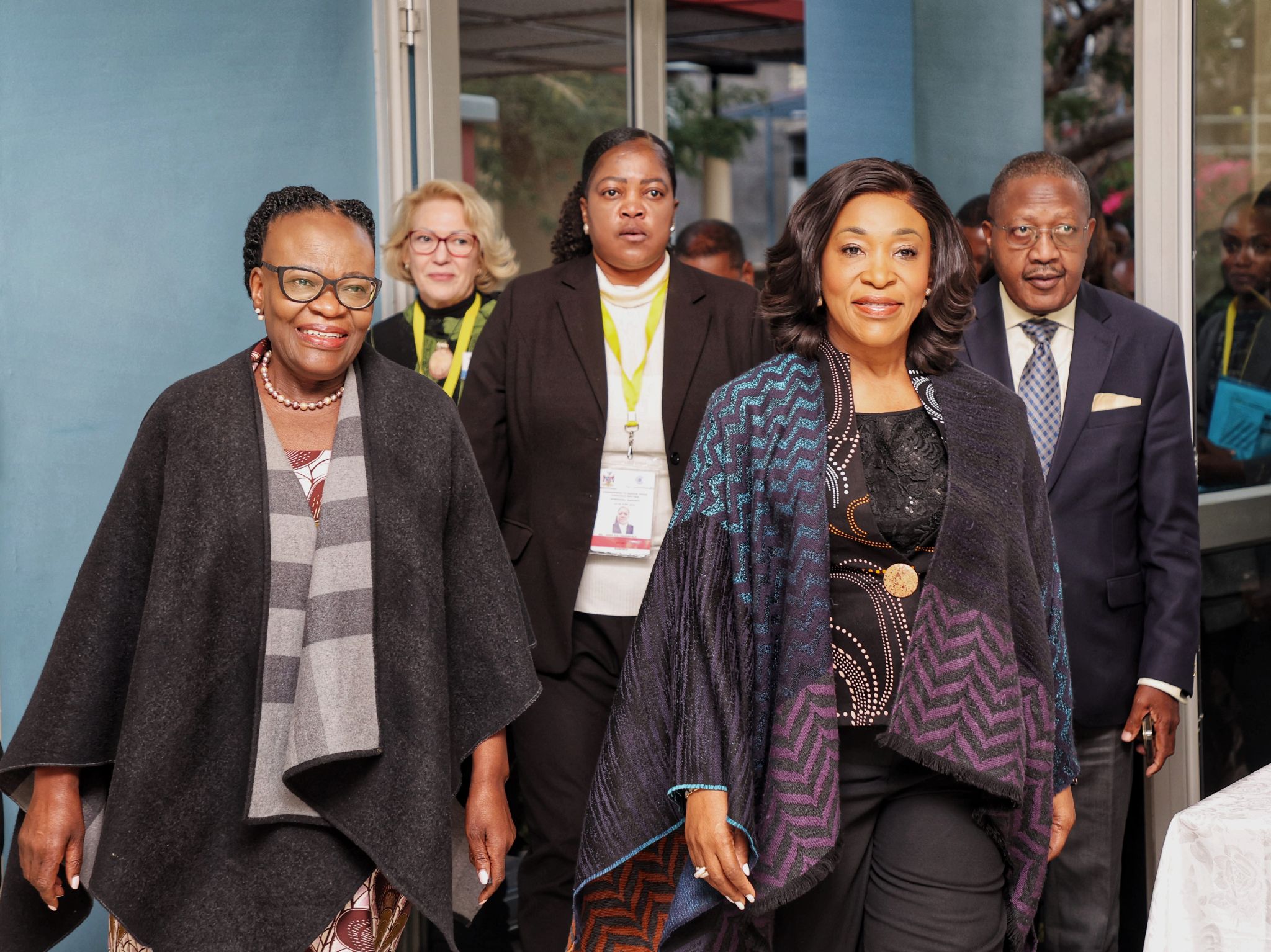
Commonwealth governments, businesses, academia and civil society have been urged to work together and remove trade barriers, improve market access and for all members to move together.
The call was made by speakers at the 23rd Dr. Theo-Ben Gurirab Public Lecture in Windhoek.
The Secretary General of the Commonwealth, Shirley Botchwey, encouraged the Commonwealth nations to work together in building a trade environment where trade is not just about growth but inclusion and sustainable and shared prosperity.
She advocated for digital-first trade policies that will uplift nations, saying trade is the Commonwealth's greatest strength that underlines its enduring relevance.
She revealed that trading through the Commonwealth will make cross-border transactions 21% cheaper on average; therefore, there is a need to turn that advantage into a real opportunity.
"Commonwealth can transform our economies and sustain the resilience needed for each Commonwealth citizen to enjoy the democratic dividend. That requires a partnership with Commonwealth businesses and financing institutions on strategies to raise incomes and make our 2.7 billion population a consumer market powering Commonwealth prosperity. It means growing intra-Commonwealth trade to at least US$2 trillion by 2030."
Currently, the intra-Commonwealth trade stands at N$15.96 trillion, which Dr. Botchwey said calls for smarter and faster moves to meet the target of N$36.16 trillion by 2030.
"That means investing in connectivity, not just capacity. Simplifying rules. This involves the expansion of digital corridors. Closing the trade finance gap. And ensuring trade works for all, especially our micro, small and medium enterprises, women entrepreneurs, and young people."
The Minister of International Relations and Trade, Selma Ashipala-Musavyi, noted that Namibia, with its growing digital economy, abundant mineral resources, and aspirations in renewable energy, including green hydrogen and nuclear energy, stands ready to engage with Commonwealth members.
"The Commonwealth provides complementary support through various mechanisms, including capacity building, policy advice, facilitation of trade, and promoting intra-Commonwealth cooperation. Our task now is to maximise these linkages through innovation, industrialisation, and strategic investment."
The lecture discussed how the Commonwealth nations can strengthen partnerships, promote inclusive trade, and enhance economic cooperation to meet the 2030 trade targets.