


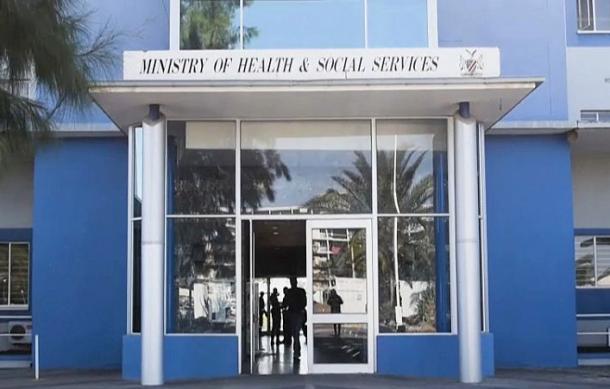
The Ministry of Health and Social Services has potentially saved about N$221 million since it decided to procure pharmaceutical and clinical supplies directly from the suppliers.
This was revealed by Minister Esperance Luvindao, who added that these savings are significantly higher compared to the maximum benchmark often used in intermediary-led emergency procurement.
Dr. Luvindao provided an update on the Ministry's actions to ensure the adequacy of healthcare supplies.
"We are pleased to report that the Ministry's efforts to procure directly from international manufacturers and wholesalers are proving fruitful. In the initial phase, we engaged with 41 prequalified manufacturers and wholesalers, receiving offers for hundreds of essential medicines and clinical supplies. We have evaluated the offers made in Phase 1 and anticipate significant cost savings and improved supply security. In relative terms, these offers have potentially generated savings of approximately N$221,494,485.81 compared to the weighted average intermediary prices."
The Health Ministry, at present, does not have consistent long-term supply arrangements in place for many critical items.
This situation had led to legal challenges, launched by some suppliers four years ago, which were eventually settled.
However, Minister Luvindao said the Central Procurement Board of Namibia is in the process of finalising two-year contracts for general pharmaceuticals.
"In other words, the absence of long-term contracts for pharmaceutical products, which significantly contributed to the challenges we have faced in maintaining a consistent supply of essential medicines, is now resolved. Before the long-term agreements, the Ministry had to rely on piecemeal emergency procurements, which offered neither price predictability nor guaranteed availability."
According to Dr. Luvindao, direct engagement with accredited global manufacturers, consolidation of warehousing, and the transition to long-term contracts are a strategic shift to restore public trust.
"We are also strengthening security and improving risk management to ensure that stock procured by the Ministry ends up in health facilities for its intended purpose: to treat and manage the patients we serve. We have implemented stricter controls to prevent theft and diversion of essential medicines, and we are working closely with law enforcement agencies to investigate and prosecute those who engage in illegal activities."
The Health Minister further warned that suppliers who fail to meet their contractual obligations will not be tolerated.