


The Ministry of Health and Social Services continues to intensify efforts and has made significant strides in addressing key health challenges such as diabetes and cervical cancer in 2025.
The World Health Organisation has thus reaffirmed its support for Namibia's health sector as the country advances its response to these priority health issues.
According to the WHO, in 2021, more than 537 million adults, approximately one in ten people, were diabetic.
In Namibia, nearly seven per cent of adults have diabetes, an increasing burden of non-communicable diseases.
During the 2024/2025 financial year, 6,844 diabetes cases were recorded across all age groups, reflecting a slight decline from the 8,073 cases reported in 2023/2024.
The W.H.O. commended Namibia for its longstanding commitment to addressing risk factors and improving the control of non-communicable diseases.
The World Health body reaffirmed its support for Namibia in providing effective care and sustained support throughout the life course, ensuring that every person with diabetes can live a healthy life.
Another major public health concern in Namibia is cervical cancer.
Cervical cancer ranks second among women after breast cancer and is a leading cause of cancer-related deaths.
Each year, an estimated 350 new cases are diagnosed, and on average, a woman dies from cervical cancer every two days.
According to GLOBOCAN 2022, Namibia's age-standardised incidence rate is higher than both the African and global averages.
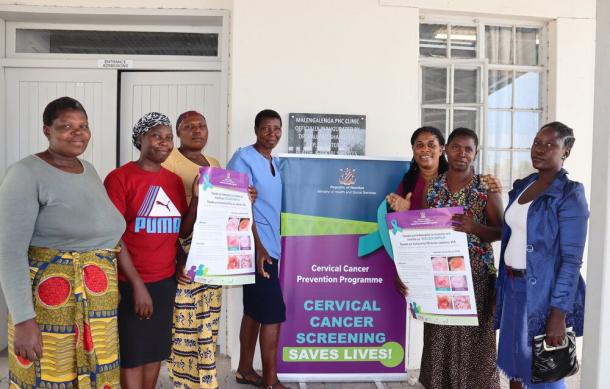
The Ministry, together with partners, continues to expand cervical cancer screening and treatment services, emphasising that the disease is preventable.
Through strong collaboration, community engagement, and innovative outreach initiatives, lifesaving services are being brought closer to women most in need.