


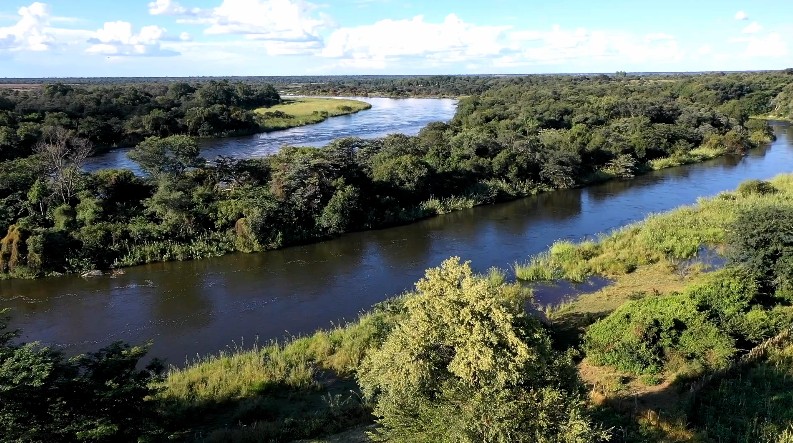
Namibia's wetlands play a critical role in regulating water, supporting wildlife and sustaining communities.
However, the Deputy Director of Wildlife Monitoring and Research in the Ministry of Environment, Forestry and Tourism (MEFT) says wetlands remain under threat, necessitating the need for a collective responsibility from all Namibians to protect wetlands.
World Wetlands Day is celebrated on the 2nd of February every year.
A wetland is simply described as any piece of land that contains water, whether on a permanent or temporary basis and provides basic ecosystem services on a long and short term basis.
Wetlands can be referred to both freshwater, marine and coastal ecosystems, such as all lakes and rivers, underground aquifers, swamps, wet grasslands, deltas saltpans all human-made sites such as fishponds and reservoirs among others.
" Most of our communities depend on water and this comes from underground sources and before it goes to underground it must come through these wetland systems. "So we depend so much on these wetlands for our livelihood, livestock and farming activities, and it forms part of our existence, and without these wetlands, it will make it hard for us to survive in Namibia," explained Uiseb.
Under the Ramsar Convention on Wetlands, formally known as the Convention on Wetlands of International Importance adopted in 1971, Namibia has five wetlands that are internationally recognized.
These are the Etosha Pan, Walvis Bay Lagoon, Sandwich Harbour, the Orange River Mouth and the lower part of the Kavango River in the Bwabwata National Park.
"Fortunately for Namibia all these are in protected areas or national parks and these protects them from human harm and are incorporated in the protection plan of the parks."
Uiseb added that wetlands face challenges such as climate change impacts of prolonged drought periods, development demands, population growth and pollution, among others.
"For many years, communities have co-evolved with the wetlands as part of their culture and tradition, and that is the theme of World Wetlands Day this year. When we talk about conversation we make it a government responsibility but with this theme we are trying to educate communities that wetlands are not just a responsibility of government but its aa shared responsibility of local communities," emphasised Uiseb.
He noted that the Environment Ministry, together with those of Agriculture, Fisheries, Water and Land Reform and civil societies, works together to monitor and manage wetland resources in Namibia.
According to research, wetlands are disappearing three times faster than forests and are Earth's most threatened ecosystem. Since 1970, 35% of the world's wetlands have been lost.