


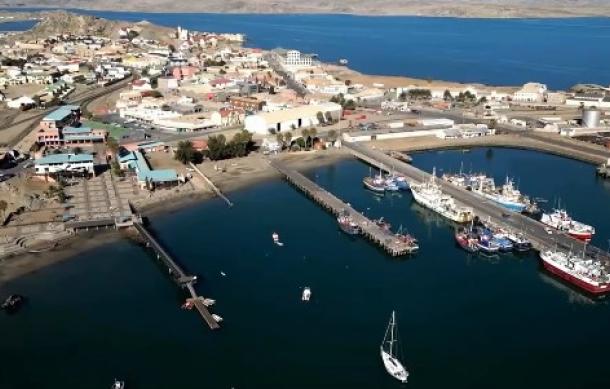
Namibia's economic growth is projected to strengthen to around 3.5% this year, though experts warn that escalating global geopolitical tensions, particularly the conflict in the Middle East, pose risks to this outlook. Persistent external shocks continue to pressure economies worldwide, with tangible impacts on Namibian households, food security, fiscal space, and inclusive growth.
Speaking at the Sustainable Development Dialogue series in Windhoek, Executive Director of the National Planning Commission I-Ben Nashandi said:
“Government is already pursuing a range of measures aimed at strengthening economic, social and environmental resilience. These efforts include the implementation of the National Development Plan 6, which prioritises economic transformation, human development, environmental sustainability and effective governance, ongoing investments in energy security and renewable energy to reduce dependence on imported fuels.”
UN Resident Coordinator Hopalang Phororo noted:
“Disruptions in energy access and affordability raise transport and production costs, which in turn affect food systems, contributing to higher food prices and increased food insecurity. These pressures feed directly into the jobs and social protection transition, as households' purchasing power declines and demand for safety nets rises at a time when fiscal space is constrained.”
Ndiitah Nghipondoka-Robiati, Executive Director in the Ministry of International Relations and Trade, added:
“Namibia fully aligns with its call, and the partnerships we forge in this dialogue must be understood as part of the same collective response: translating multilateral commitment into national and subnational reality. This is an opportunity not merely to share analysis, but to forge shared commitments, commitments that are grounded in Namibia's realities, mapped to the Six SDG Transitions, and aligned with our national development priorities.”