


Theatre is a powerful tool to use in telling Namibia's history and a place to articulate the pain and gains.
These sentiments were shared by two creatives who created a play titled "Coming Home Dead", a story that tells the 1904-1908 genocide.
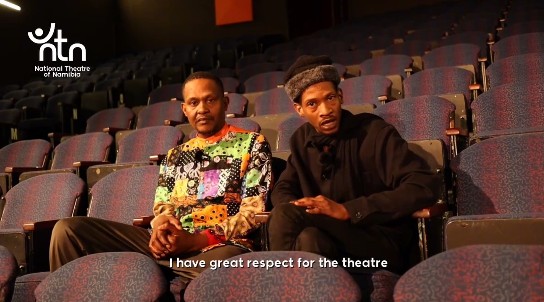
In conversation with the National Theatre of Namibia, Keith Vries, the writer, and Patrick Sam, the director, behind the play "Coming Home Dead" reflected on memory, loss, artistic responsibility, and the role of theatre in preserving the history of the Herero and Nama genocide for present and future generations.
"But the theatre – I've recognised that it is a great vehicle for communicating with people that you often wouldn't have the pleasure of meeting. I have come to bow under the pressure and the power of the theatre. I have great respect for the theatre. So I think there's an underestimated power that carries great gravitas when you refer to the theatre. And I think more people should use the theatre to tell their stories. It's an extremely powerful place to articulate your pains and your wins," highlights Vries.
Sam says that through theatre, the audience get to introspect and feel the sounds, understand what's being said and also interrogate the subject matter.
"What is colonialism in essence? I think one reason is ungodliness because it's unimaginable, not in a Christian way, in the sense that the spirit of godliness and spirit of the ancestors, as an indigenous person speaks about it, are regenerative and not extractive. And so I think the theatre in itself is regenerative. So I think it's aligned to very indigenous philosophies where people have a time to introspect and feel the sounds, what's being said, and to interrogate the subject matter. So I think in a place like Namibia, it becomes even more powerful than more of these stories are told because there's been a lot of erasure."
The theatre play that was staged in 2023 and won awards at this year's Namibian Theatre and Film Awards deconstructed the tortured history by integrating the lasting effects of the 1904-1908 Genocide through the lens of a descendant of the massacred people.
"And so coming home dead is not a want as much as it was a need. It was something that was birthed out of scarcity. It's an independent production. We had to raise money ourselves to put it on. And it's something that's really crafted out of a 120-year pain of a people who've not just been dispossessed of their resources, but also of their identity and their stories. So this is sort of a course in correction for us in bringing the story to the stage. It's a painful and gratifying thing to do," adds Vries.
"So I think the audiences, in terms of how they not just understand it, but how art tells a story, is that it's not political. It's cultural. All right. And I think that softens the message, and it almost makes it consumable rather than everybody coming very, like, tight up and just speaking about the genocide within a political context," concludes Sam.