


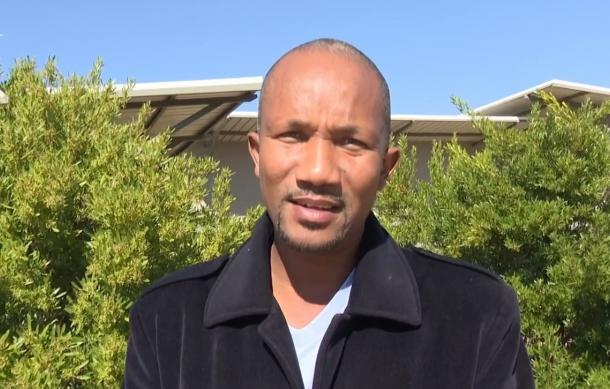
Traditional leaders and key stakeholders have thrown their weight behind the proposed establishment of a conservancy in the Aminuis Constituency, which is aimed at supporting community development.
Chief Andrew Kgosimang of the Batswana Ba Namibia pointed out that establishing a conservancy in the Aminuis area is a welcome initiative, as this will help in protecting wildlife that are on the edge of extinction.
This initiative will create jobs for local young people and bring in more tourists into the constituency, he said.
"Those things are going hand in hand where there is development and there are roads and tourists are coming through, so it will go hand in hand, and employment will also assist the constituency, and we have to make more awareness to the community, as they should not slaughter the wildlife because of poverty or hunger, as this will attract tourists."
On his part, Chief Hendrik Martins of the !XOO Traditional Authority stressed that not all communities rely solely on livestock and crop production in the area; hence, the establishment of a conservancy in Aminuis will aid other residents, such as the marginalised groups.
Chief Martins added that awareness campaigns need to be carried out, as this initiative is new in the area.
"The leaders have to educate us about conservation, as it is something that will better our lives, and we need to listen to this initiative. We listen and hear from others that have established conservancies; that is something of great help. Hence, let's give it a try in our area too."
A senior traditional councillor in the Ovaherero Traditional Authority, Raphael Kavari, says that the world is evolving; hence, it's time for communities to benefit from all resources and ease the burden on livestock.
Kavari appealed to the government to provide a commercial farm adjacent to the Aminuis constituency that will be utilised for conservation due to the size of the constituency.
"To my community, through the little knowledge that I have, and prior to independence, we had good numbers of wild animals in our area, but we finished them. Now we are presented with a second chance of owning this, but it will be upon the communities themselves to take care of this wildlife once the conservancy is established."
Through the Aminuis Conservancy Interim Committee, representatives from women's organisations, youth, farmers and other community stakeholders will, later this month, visit the Kunene region for benchmarking aimed at learning from successful communal conservancies and strengthening the knowledge required to establish a sustainable conservancy in the Aminuis Constituency.