


Remittances from African migrants reached $97.5 billion in 2022, strengthening households, communities and economies across the continent.
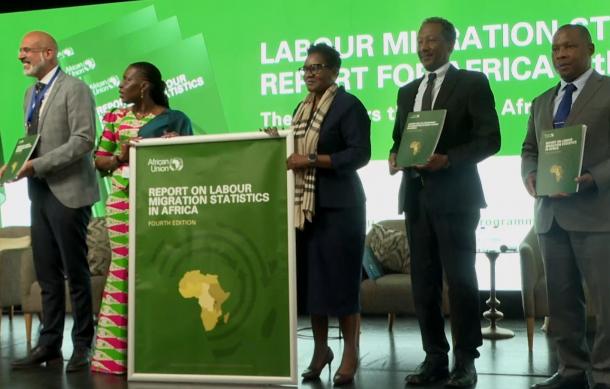
Speakers at the launch of the fourth edition of the Labour Migration Statistics Report in Africa highlighted labour migration's role in economic growth, poverty reduction and regional development.
The report indicates that remittances have become one of the most visible ways migrant workers contribute to Africa's economies.
Between 2013 and 2022, remittance inflows to the continent increased from $64.8 billion to $97.5 billion, representing growth of more than 50% despite periods of decline during the decade.
North Africa and West Africa remained the largest recipients of remittance inflows, accounting for the majority of funds received across the continent.
Speakers emphasised that these transfers provide vital support for families by helping meet daily needs, improving access to education and healthcare, and strengthening household stability.
The report notes reducing the cost of sending money, improving access to financial services and creating opportunities for productive investment could allow remittance flows to contribute even more strongly to economic development.
Khumbula Ndapa is the ILO Special Representative at the African Union.
"Importantly, most migration remains intra-African, reflecting the growing significance of regional labour markets and free movement initiatives across our regional economic communities. Labour migration continues to play an essential role in supporting productivity, facilitating skills transfer, addressing labour shortages and contributing to economic growth and regional integration."
The discussions also stressed that effective migration policies require reliable data, noting that accurate information on migrant workers, their occupations, contributions and challenges is essential for governments to develop policies that support economic growth while protecting workers' rights.
Speakers noted that migration does not affect all groups equally, with women and young people often experiencing different opportunities and risks.
"Sustainability would demand ensuring that statistical methods, knowledge, coordination mechanisms and quality processes become embedded with strong institutions. This requires continued commitment, collaboration and investment in African statistical systems," adds Project Manager at Statistics Sweden, Muhanad Sammar.
Governments and stakeholders were urged to use migration evidence to strengthen rights-based, gender-responsive policies, improve labour systems and enhance regional cooperation, further stressing that the report should serve as a tool for advancing decent work, sustainable development and the goals of Agenda 2063.