


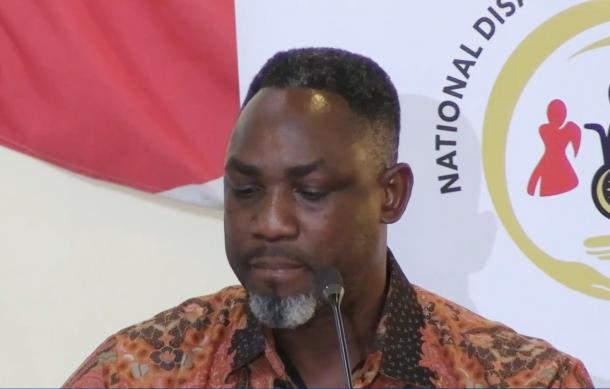
Oshana Region Governor Hofni Iipinge has committed to championing the implementation of the Revised National Policy on Disability across the region.
Stakeholders gathered this week at Oshakati for an Education and Awareness Training on the Policy and its Costed Implementation Action Plan 2025-2030.
“We must walk through these trusted community structures and strengthen our partnerships with them. In so doing, we must remain particularly mindful of women and girls with disabilities, as well as the mothers and grandmothers who often bear the greatest responsibility for their care. It is where gender, poverty and disability intersect that exclusion is most severe, and it is there that our efforts must be most deliberate and sustained.”
The Revised National Policy on Disability 2025-2035, which was last reviewed in 1997, was officially launched in October last year.
It provides advantages for people with disabilities and integrates them into the mainstream economy.
Iipinge said the training is an opportunity and reminder to pursue inclusive development and an invitation for every institution, community, and individual to understand their role in building a justly inclusive Namibia.
The governor highlighted that, despite better access to services in some regions, people with disabilities continue to face significant barriers which hinder them from reaching their full potential.
“Persons with disabilities are not recipients of charity but rights-holders entitled to equal participation in every aspect of our national life, including education, employment, healthcare, leadership, and community development.”
The National Disability Council of Namibia’s Head of Legal Jessica !Gawachab highlighted some of the objectives contained in the new policy.
“Under the old policy of 1997, there were only three target groups. The government was only focusing mostly on women with disabilities, children, and the elderly. If you are a pensioner and you have a disability, then the government will focus on those three, but with this new policy, we now have nine new special target groups. That means resources and programmes will specifically target those nine target groups, and this is to make sure that no one is excluded.”