


A delegation from the Office of the Vice President has concluded its visit to Tsumkwe, where it engaged with the !Kung and Ju|'hoansi Traditional Authorities.
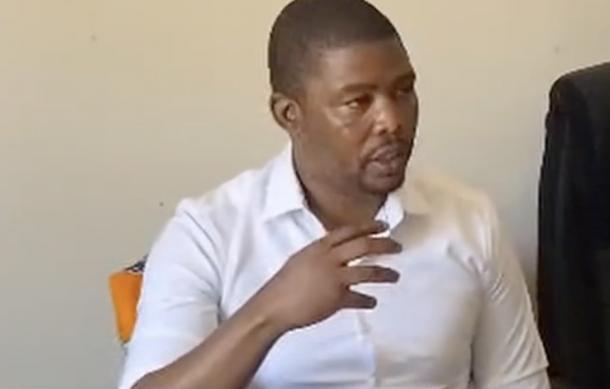
Deputy Minister in the Office of the President Moses ||Khumub described the engagements that focused on community development and strengthening ties with San and other marginalised groups as fruitful.
He highlighted the core mandate of the Division of Marginalised Communities under the Vice President's office.
“This programme is an intervention by the government. It is a decision taken by the government through a Cabinet decision to assist marginalised communities with social and economic development. I don’t want to use the word ‘mainstream’ because I will come to that later, but the purpose of the programme is to assist communities that were found to be somewhat behind in order to accelerate their development.”
||Khumub emphasised that the division relies heavily on recommendations from Traditional Authorities to recruit young people from marginalised groups into state employment and educational support initiatives.
“So, how we can support the programme to work properly is through the traditional authorities. The traditional authority I am speaking for, Tsumkwe West and East, is exempted. I have really been looking into the matter and asking whether there is a similar problem elsewhere. However, among the other traditional communities, Tsumkwe West and East are the most organised when it comes to issuing letters confirming that a child qualifies on the grounds of being Ju/’hoan or !Kung. Now, why am I saying that the programme will not work? The plea from the chiefs was accepted by the government and put in place as a programme for the Defence Force and the Police to recruit people from marginalised communities, including Ovatue, Ovahimba and all the San groups that I have mentioned. We don't see this problem in Tsumkwe, and I want to reiterate that. But we have small challenges because the programme aims to recruit only from marginalised communities, including Ovatue, Ovahimba and all the San groups that I have mentioned. So, the entry point for people to enter the programme rests with the traditional authorities. The traditional authority needs to confirm that this person is genuinely from this community.”
He reminded traditional leaders that recommending candidates from their own communities is neither tribalism nor exclusion but a necessary measure to protect the programmes intended mandate.
He warned that compromising these verification procedures risks derailing the initiative entirely.