BUSINESS TODAY | NAMIBIA'S ANNUAL INFLATION RISES TO 5.6%
Breadcrumb
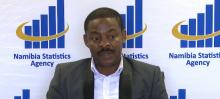
Namibia's cost of living continues to rise, with annual inflation increasing to 5,6% in October, up from 5,4% in September.


Namibia's cost of living continues to rise, with annual inflation increasing to 5,6% in October, up from 5,4% in September.
The National Arts Council of Namibia (NACN) has encouraged local creatives to apply for funding opportunities designed to develop their talents, expand their reach and create sustainable livelihoods within the creative industry.
The Business and Intellectual Property Authority (BIPA) has launched an online name reservation platform, enabling individuals, investors and intermediaries to access the service from anywhere in the world using a phone or computer.
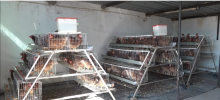
Namibia continues to rely on imported poultry and poultry products to meet domestic demand, with imports exceeding exports in August.
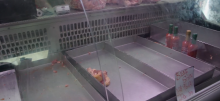
The confirmation of Foot-and-Mouth Disease (FMD) in the ||Kharas Region is raising concerns among consumers, with residents rushing to supermarkets and butcheries to buy meat amid uncertainty over supply, prices and the impact on the livestock market.
Namibia’s annual inflation rate accelerated to 5% in August 2026, reaching its highest level since February 2024.
Some entrepreneurs start their businesses by securing capital, finding the right location and developing a detailed business plan.
For Saima Iiyambo, however, her entrepreneurial journey started with something much simpler: a talent with her hands and a determination to provide for her family.
A national budget is the government’s financial roadmap. It sets out how much revenue is expected and how public funds will be allocated to key priorities and sectors.
Namibia's growing population is increasing the number of people entering the working-age population and, ultimately, the labour market.
While population growth can support economic expansion, it also puts pressure on the economy to create enough jobs for those seeking employment.
Namibia has recorded significant progress in financial inclusion, with 86% of adults now financially included, marking an improvement from 78% recorded in 2017.
This was contained in the latest Namibia Financial Inclusion Survey released by the Namibia Statistics Agency (NSA).