


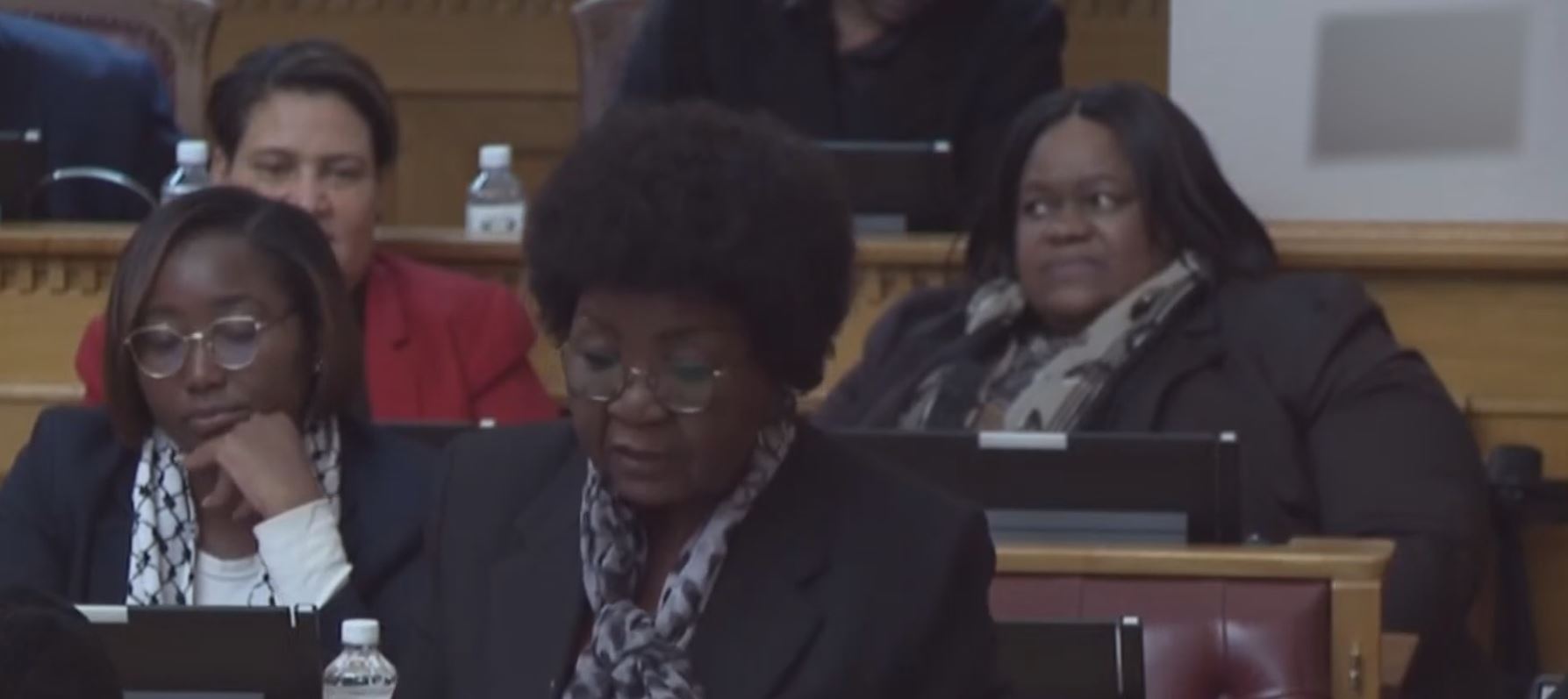
Members of Namibia’s National Assembly have called on the Ministry of International Relations and Trade to intensify efforts in promoting foreign investment and creating job opportunities for Namibians through robust economic diplomacy.
During recent parliamentary discussions, MPs highlighted the need for the ministry to leverage Namibia’s unique products and regional advantages to attract foreign direct investment (FDI) and expand market access for local entrepreneurs.
Swapo Party MP Sophia Shaningwa emphasised that the Namibian embassy network must actively promote investments to enable capital inflow and employment creation while preparing local entrepreneurs across all regions to benefit from these opportunities.
Willem Amutenya, also of the Swapo Party, urged the ministry to explore ways to place traditional Namibian products such as ombike, marula oil, jackberries, and clay pots in global markets, stressing the importance of supporting local industries.
Austin Samupwa called for the establishment of a tariff board to manage trade effectively by investigating and regulating tariffs, a move he said was missing from the current budget but essential for protecting local trade interests.
Bernadus Swartbooi, MP and LPM leader, raised concerns about the working conditions of Namibians employed at foreign missions, citing issues such as delayed salaries and mistreatment, and called for urgent attention to these matters.
Dino Ballotti of the Swapo Party highlighted the need to add value to indigenous products like Zambezi mangoes and called for consideration of the ministry’s 5% budget allocation to trade mandates.
AR MP George Kambala questioned the clarity and coordination of funds allocated to trade promotion, pointing out overlapping roles between institutions such as the Namibia Investment Promotion and Development Board (NIPDB) and the ministry.
Justina Jonas stressed the integration of labour laws and compliance into trade discussions to ensure that investor commitments include respect for labour rights and the promotion of decent work conditions.
McHenry Venaani, leader of the PDM, pointed out the lack of trade offices in key global capitals and questioned how Namibia benefits from trade if diplomatic missions do not sufficiently engage in trade promotion.
Minister of International Relations and Trade, Selma Ashipala-Musavyi, acknowledged the challenges and affirmed the ministry’s commitment to marketing Namibia’s diverse products more aggressively. She emphasised the need to enhance negotiation skills and increase local manufacturing to reduce dependency on imported goods.