


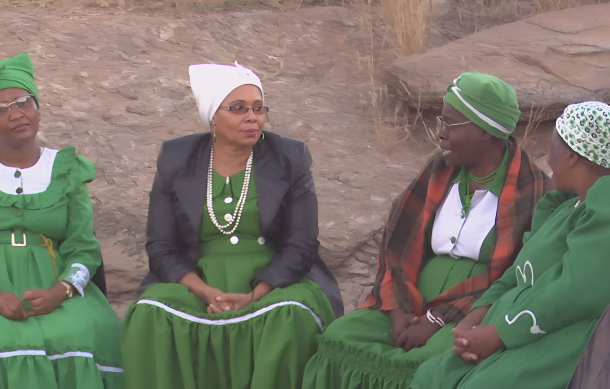
The Nama and Damara communities held cultural gatherings on the eve of Genocide Remembrance Day to honour the memory of those who died during the brutal genocide committed by the German colonial forces in Namibia between 1904 and 1908.
The gatherings held in Windhoek echoed the customs taught by the nation's ancestors, with fires lit in tribute to those killed.
The Nama community hosted a solemn vigil at Jan Möhr Secondary School to remember their fallen heroes and the countless lives lost.
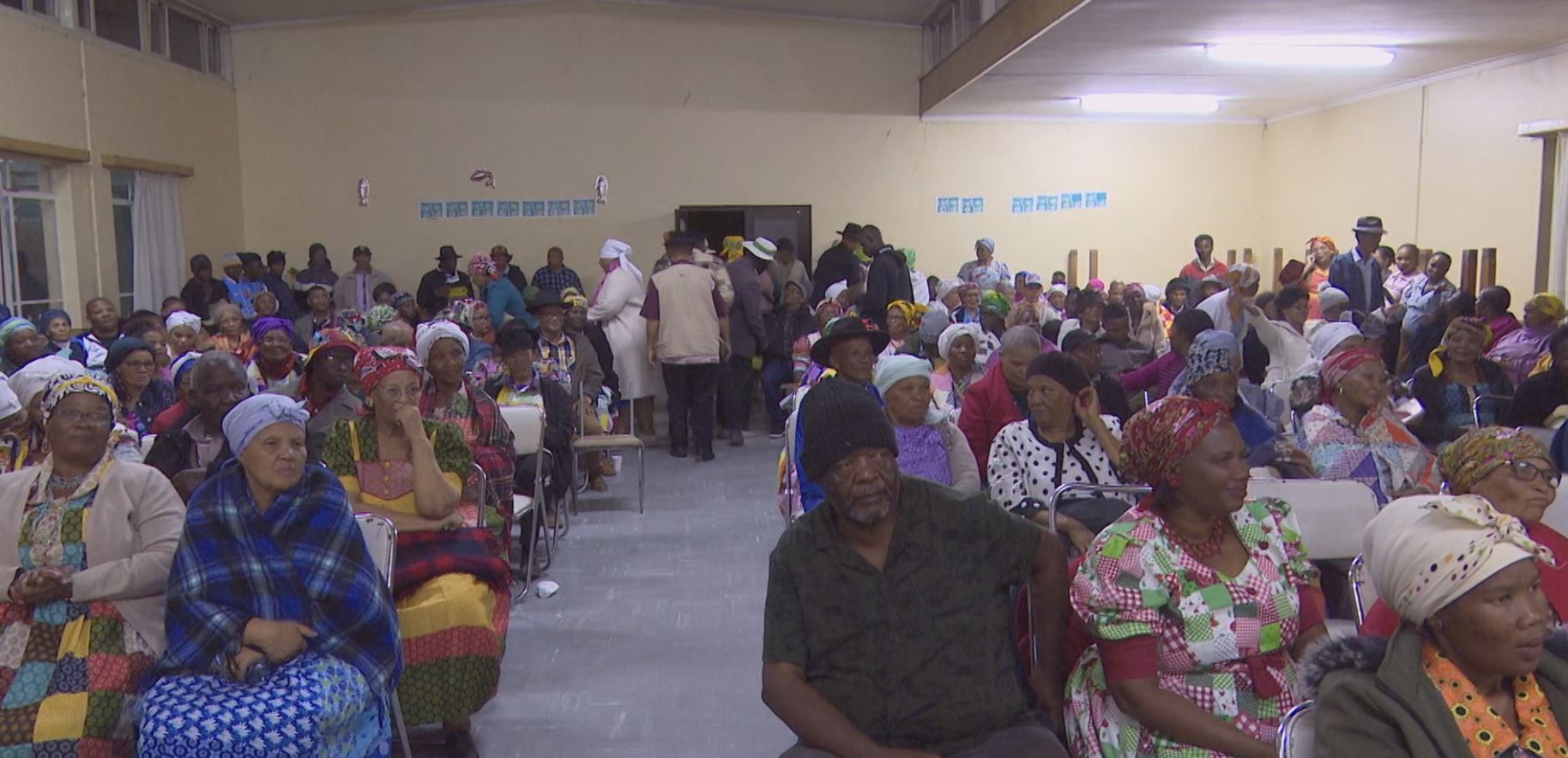
"The reason why we are gathered here is for what they call a candlelight vigil, where we will light candles and have a memorial service for those who passed on, the Nama and the Herero communities, but we are here just as the Nama community so we can reflect on the day and remember those that have died for our freedom," said Charles Eiseb, Nama Team Leader in the Genocide Negotiations.
At the A. Shipena Secondary School, the Damara community known as the ǂNūkhoen was welcomed at the Sōxa|aes, or Holy Fire.
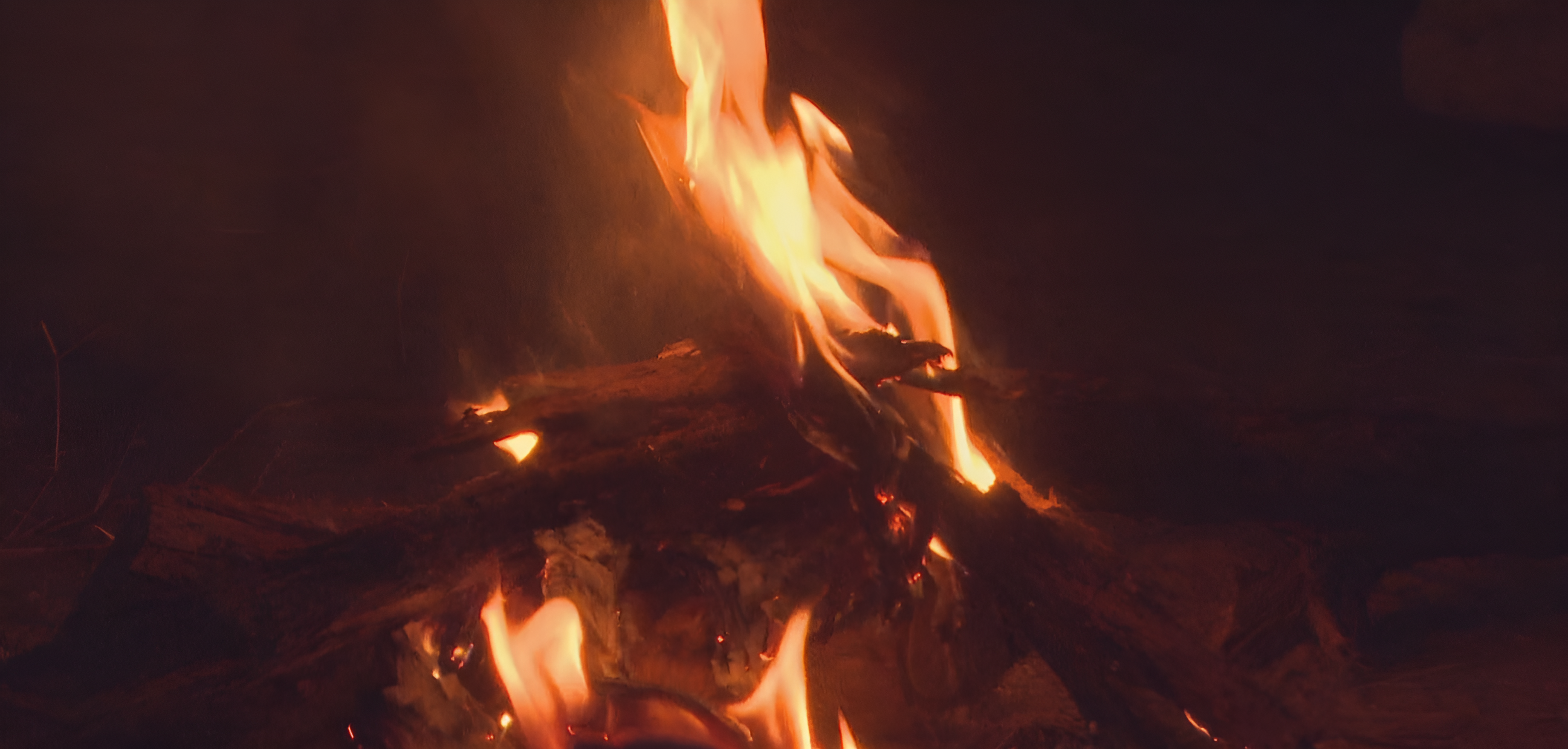
Stories were shared about the crimes committed by the Germans, along with poetry sessions and songs that carried the gathering well into the next day.
Though the orders that led to the genocide were primarily aimed at the Nama and Herero people, the Damaran also endured the horrors of that era, prompting them to stand in solidarity and hold their commemorations.
According to community leaders, these cultural ceremonies are more than just a remembrance of the past.
They are a call for unity and healing among all Namibians.