


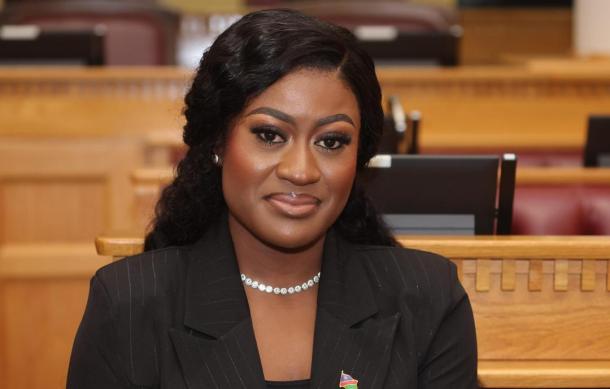
Health and Social Services Minister Dr. Esperance Luvindao says the abuse of tobacco and alcohol remains a serious concern in Namibia, putting immense pressure on the country’s healthcare system.
Speaking at the opening of a five-day sensitisation workshop for policymakers on tobacco and alcohol control, Dr. Luvindao stressed that many of the cases she encounters in her work are linked to alcohol and tobacco use. She noted that the problem goes beyond commercially sold alcohol, with traditional brews also contributing significantly to substance-related health issues.

“The Executive Director and myself are in final talks of the establishment of the national rehabilitation center, long overdue. However, the reason this is so important is because of the weight alcohol and tobacco have on the system. A lot of the issues that we are faced with right now in mental health wards have to do with substance,” she said.
She emphasized that young people are the most affected and urged lawmakers not to be afraid to pass laws that serve public health. She also advocated for stronger taxation policies on tobacco and alcohol, saying those who consume harmful substances should contribute more toward healthcare.
“People who choose to consume harmful substances such as tobacco and alcohol should pay more, and that revenue could help support the health sector,” Luvindao said.
WHO Country Representative Dr. Richard Banda, through WHO’s Celia Kaunatjike, stressed the need for firm action, calling for stronger enforcement and investment in proven tools like MPOWER.
“Our message is clear: we must act decisively to protect health by closing the remaining policy gaps, strengthening enforcement and investing in proven tools such as MPOWER and safer measures. These measures save lives, reduce healthcare costs and protect future generations from tobacco and alcohol addiction,” said Kaunatjike.
Khomas Regional Governor Sam Nujoma said leaders must prioritise health in policy decisions.
“The time is now. As leaders and policymakers, we play a pivotal role in shaping legislation that not only supports economic progress but also safeguards the health and wellbeing of Namibians. Health is wealth—no wealth without health,” he said.
Dr. Naemi Shoopala, Director of Primary Health Care Services, said the workshop aims to equip lawmakers with the knowledge needed to craft stronger health protection policies.