


With digital technology rapidly transforming every sector of society, Namibia's Parliamentary Standing Committee on ICT has taken a crucial step toward shaping a secure, innovative, and inclusive digital future.
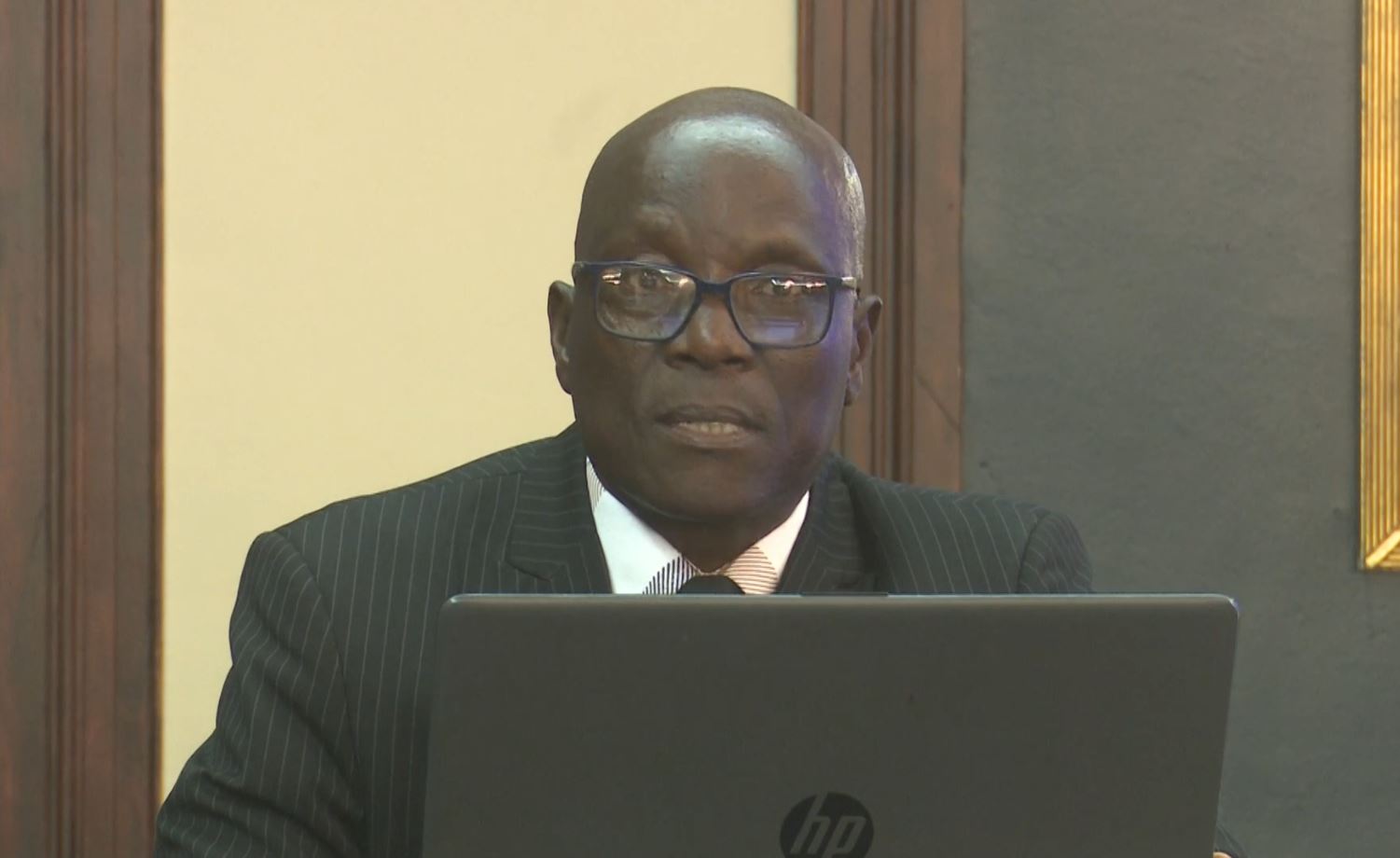
Its Deputy Chairperson, Sebastian Karupu, emphasised the urgent need for legislative bodies to keep pace with rapid technological advancements.
The committee, newly established in April of this year, convened its first stakeholder consultative workshop at Swakopmund to align national digital priorities with the realities of industry, civil society, and government institutions.
Recognising the complex challenges and vast opportunities presented by digital progress, Karupu emphasised its role in developing forward-thinking legislation and oversight mechanisms.
"The role of Parliament in this digital age must evolve to keep pace with rapid technological advancements. As lawmakers, we must ensure that our policies, legal frameworks, and national strategies are not only inclusive but also forward-looking, secure, and responsive to the needs of our citizens within the digital space."
Erongo Governor, Nathalia |Goagoses called for a more effective decentralised system to reduce bureaucracy.
She emphasised the critical importance of collaboration between political leaders and implementers to drive development across all seven constituencies in the region.
She highlighted pressing issues such as delayed project approvals, inefficient administrative processes, and underdeveloped ICT infrastructure in towns like Usakos and Karibib.
"We are declaring Usakos, with Telecom, as a smart city in the Erongo Region. Karibib faces the same issues you are responsible for overseeing. So, thank you very much for being here. Let the legislation that we are making be enablers of development, but not be restrictive of what we want to do."
|Goagoses urged parliamentarians to craft laws that enable development rather than hinder it.
She stressed the importance of empowering regional councils and local authorities, who are often closer to the grassroots, to make timely decisions and deliver essential services.