


The Queen Sofia Resettlement Farm, near Outjo in the Kunene Region, continues to face challenges affecting agricultural productivity and community life despite significant government support.
The resettlement project, initiated in 2000 under the government's land reform programme, was designed to provide land and farming opportunities to previously disadvantaged Namibians.
The project comprises five government-owned farms covering approximately 25 000 hectares and currently benefits about 50 households.
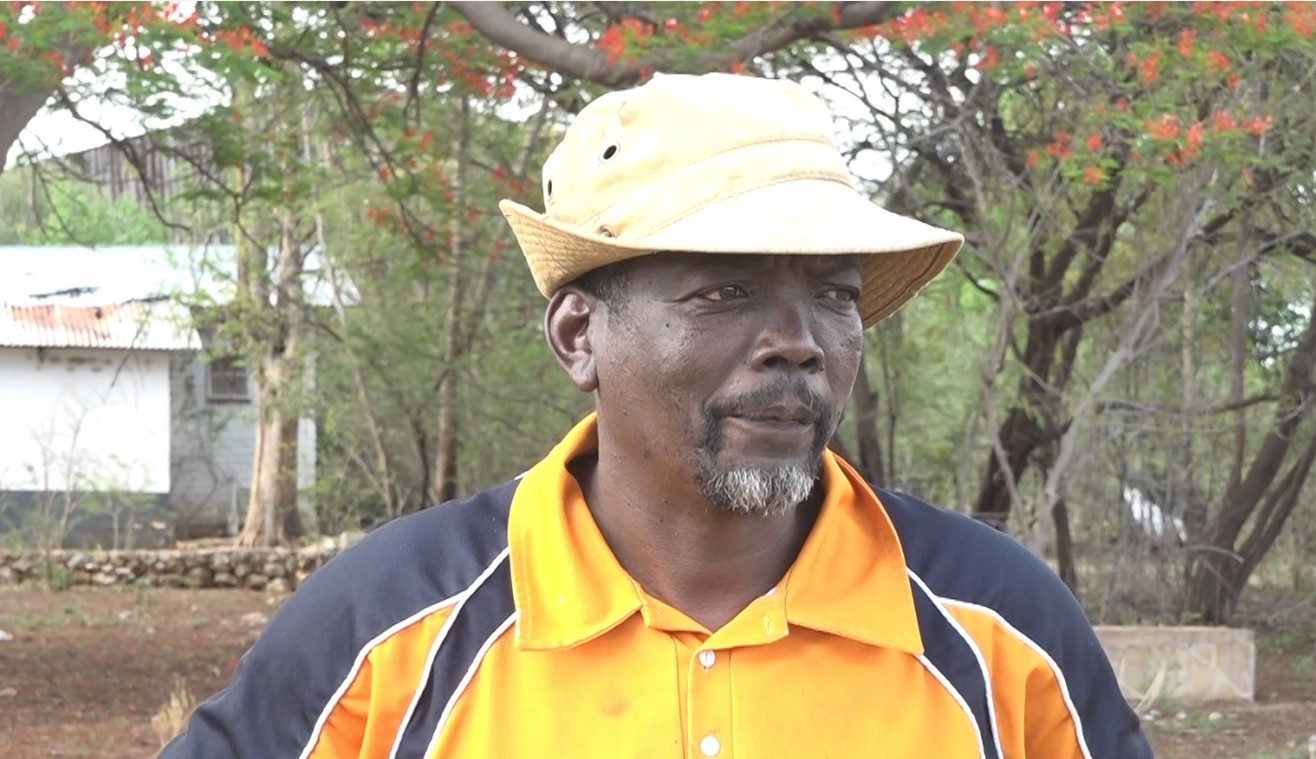
According to the Chairperson of the Queen Sofia Group Farm, Elias |Narib, each household was allocated a garden, while the project also operates a community garden aimed at improving food security and income generation.
However, |Narib said farming activities have been hampered by a lack of serviced and functional ploughing tractors, delaying land preparation and planting.
He also raised concerns over water supply, explaining that although the area has adequate underground water, the community is unable to pump sufficient quantities due to a shortage of water storage tanks.
This limits access to water for both domestic use and farming.
On healthcare, |Narib noted that while the clinic provides essential services, it does not have its own ambulance.
In emergencies, an ambulance has to travel from Outjo, approximately 76 kilometres away, which can delay response times.
|Narib also expressed concern over an increased use of drugs and the proliferation of alcohol businesses undermining the original purpose of the project, which was intended to empower beneficiaries through productive farming and sustainable livelihoods.
Despite these challenges, Narib said the community remains hopeful that with improved maintenance of farming equipment, additional water storage tanks, the provision of an ambulance for the clinic and stronger social and institutional support.