


Swakopmund continues to experience steady urban and rural migration as people from different parts of Namibia move to the coastal town in search of employment, better services, and improved living conditions.
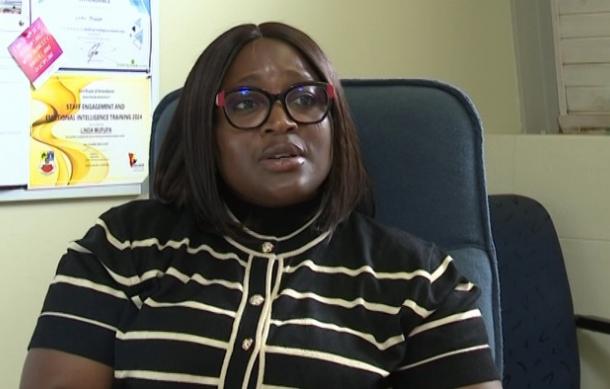
This was brought to light by the town's Municipality Public Relations Officer Linda Mupupa during an interview with NBC News.
Mupupa says the influx has significantly contributed to rapid population growth, placing increased pressure on housing, land availability, basic services, and infrastructure.
She says that many new arrivals settle on the outskirts of the town, particularly in the informal settlement of DRC, where the demand for land and housing remains high.
The migration trend is largely due to Swakopmund's role as an economic hub in the Erongo Region, supported by tourism, the fishing industry, logistics, and small-scale business opportunities.
She added that for many migrants from rural areas, the town offers access to education, healthcare, and income-generation activities that are limited in their home communities.
However, the growing population has brought challenges, she says.
She acknowledged that urban-rural migration has widened the housing backlog and increased the need for serviced land, electricity, water, and sanitation.
Despite the challenges. She says the town remains committed to inclusive urban development.
Mupupa called for a balanced national approach to development, stressing that while Swakopmund continues to attract people, sustainable investment in rural areas could help reduce migration pressure by bringing opportunities closer to where people live.