


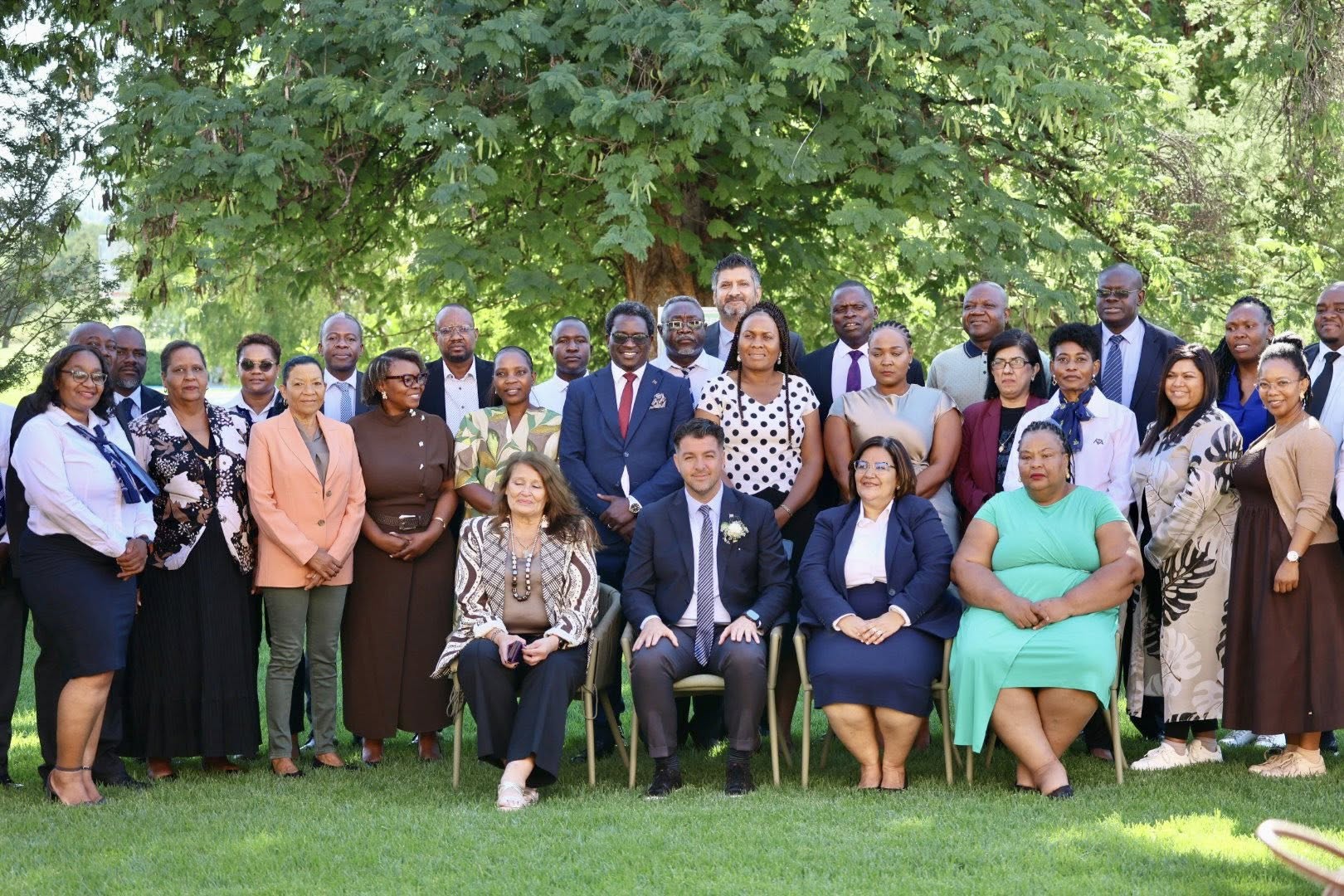
The Namibia Qualifications Authority is hosting the opening session of the second regional validation workshop on the SADC Qualifications Framework.
The framework, adopted in 2011, serves as a regional reference tool to support transparency, mobility and mutual trust across member states' qualification systems.
The Deputy Minister of Education, Innovation, Youth, Sport, Arts and Culture, Dino Ballotti, urged the attendees to ensure that learners, workers and future generations remain at the centre of the decision-making process.
Balloti says through this framework, the friendly nations have built bridges across diverse, complex national systems, ensuring that qualifications earned in one country are understood and valued throughout the region.
"I do want to emphasise that this AI is something that we need to incorporate as a matter of urgency, colleagues; lifelong learning is no longer optional. It is imperative for flexible pathways. In such a world where there is a clear shift in the global education architecture, qualifications cannot be fixed credentials. They must become dynamic passports to opportunities."
He further emphasised that if trust is strengthened in qualification systems, the possibility of empowering young graduates to pursue opportunities beyond their home countries is made possible.
Senior Programme Officer, Social and Human Development Directorate Professor Raja Vinesh Sannasse said the relevance of the regional qualifications framework is fundamental.
"Just to mention that we are here to discuss the following issues. First, present and discuss the revised SADC Qualification Framework policy and guidelines, including the integration of comments from member states. Validate the revised SADC Qualifications Framework repository consensus-based approach."
The workshop is attended by 12 SADC member states, including Botswana, which attended online.