


Namibia's fiscal position is said to be weak, with limited fiscal buffers, failing revenues and high spending needs.
It is for this reason that the prime minister says the government has committed to reducing the fiscal deficit from 5.5% of Gross Domestic Product (GDP) in 2026/27 to 3.3% by 2028/29.
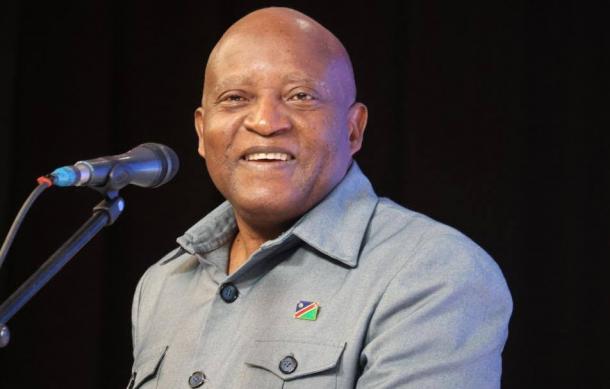
Speaking at the opening of the Budget Reform Roll-Out Workshop in Windhoek today, Elijah Ngurare explained that this is not a technical adjustment in the fiscal tables but a strategic national imperative.
"On the other hand, durable fiscal improvement cannot come from restraint alone. It must also be supported by stronger economic growth, driven by well-selected and efficiently implemented public investments through prudent allocation within the development budget. This means directing scarce resources toward projects that raise productivity, crowd in private investment, expand economic opportunity, and improve service delivery. In other words, fiscal consolidation and development are not competing objectives. When we protect capital expenditure, improve project selection, and ensure timely execution, we support growth, widen the future revenue base, and make debt reduction more achievable and more credible."