

The Namibia Sport Commission takes coaching, governance training and sporting equipment to five regions as part of a programme aimed at supporting coaches, sport administrators and young athletes.
The tour began in the Zambezi Region on 17 August before moving through Kavango East, Kavango West and Ohangwena, and concluding in the Oshikoto Region on 29 August.
Approximately 200 coaches and sports administrators took part across the five regional legs, receiving technical training, coaching support and governance workshops aimed at improving the capacity of those responsible for developing sport at grassroots level.
The initiative also aligns with the Namibia Sports Act, 2003, which mandates the Namibia Sports Commission to coordinate, develop and foster sport, make sporting opportunities available throughout the country and organise training programmes for sport.
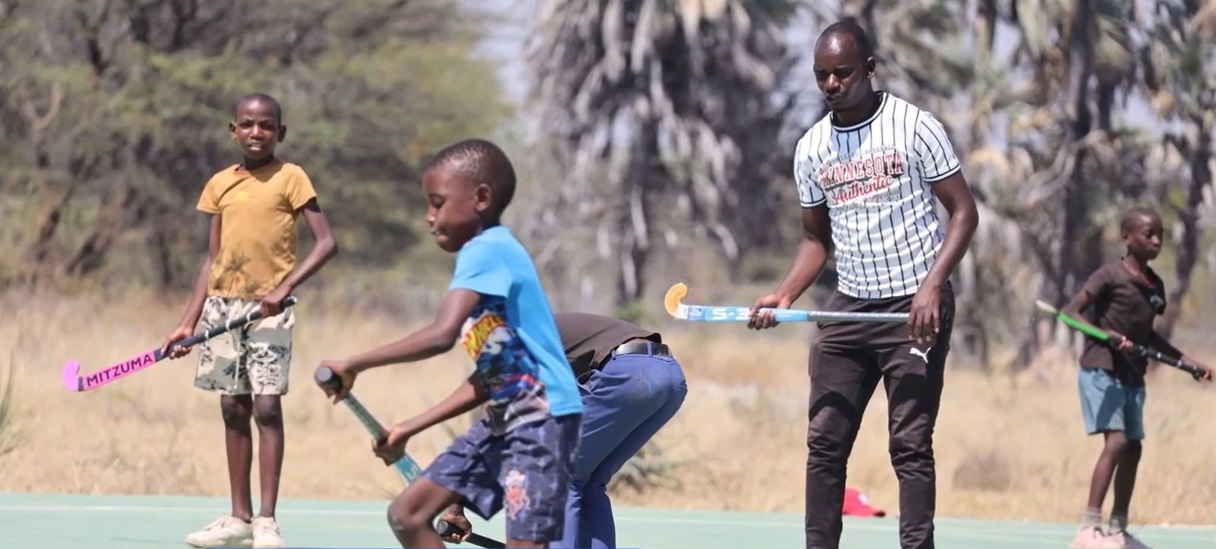
The Commission invested N$120,000 in equipment for football, netball, athletics, boxing and hockey, while national federations provided coaches in various sporting codes.
Cuban boxing coach Andrés Cámbara Toró, who worked with athletes during the tour, said taking training directly to communities can help develop sport in Namibia.
“The experience I had was very good. The work you are doing by visiting different regions and providing training to these athletes is very smart. I believe this is the way, the right approach, for sport in this country to move forward”
The tour has also highlighted a challenge in grassroots development: young athletes cannot progress without qualified coaches to guide them.
Willy Kapukare, a FIFA and CAF coach educator, said there is talent in the regions, but more trained coaches are needed to develop it.
"I have really picked up quite a lot of sadness to see in some regions that these young ones are very talented, but then they don't have the people that are trained to train them. So specifically, there are some raw talent materials that are lying down, especially in some places in the two Kavango regions that I have seen, that need coaching, that need these people that need to assist them and to help them to grow in terms of development of skills.”
The final two-day clinic was held in Oniipa, focusing on technical training and governance for local coaches and administrators.
The tour concluded alongside the Oniipa Town Council Sport Expo, which featured a boxing tournament on Friday evening and a marathon on Saturday, giving local athletes an opportunity to compete.
At community level, the focus is now on ensuring that the equipment provided through the programme is put to use.
Hilma Nangolo said the equipment must reach the young people it was intended to serve.
"We are calling on our learners and out-of-school youth to come forward and make use of this equipment. This equipment does not belong in offices; it belongs out there in the field. We want our youth and learners to take part in the different sporting codes so that they can become better."
The Commission said the impact of the programme will be measured by what happens after the tour, including whether coaches apply the knowledge gained, equipment reaches the field and more young athletes get opportunities to develop.
The programme has taken coaching, governance training and sporting equipment to the five regions, with the focus now shifting to how the resources and knowledge are used at community level.