


Africa is not relenting in rewriting how the world sees its history, its people and its place in the world.
This year, the continent took two major battles to the United Nations – slavery and the distortion of Africa's true size on world maps.
Both resolutions passed, but the question remaining is, do these victories translate into real influence?
Africa entered 2026 with a message for the world – its history can no longer be pushed to the margins.
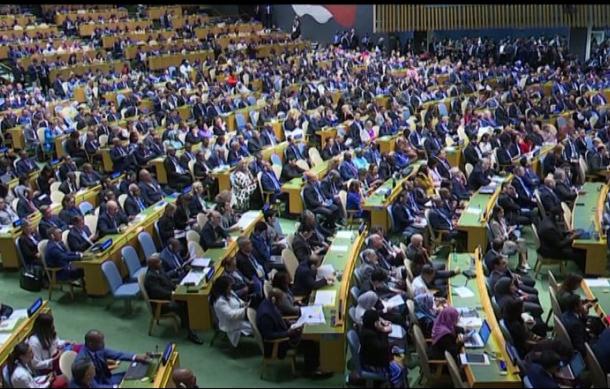
In March, the UN General Assembly adopted the resolution declaring the transatlantic slave trade and racialised chattel slavery the "gravest crime against humanity".
The vote was 123 in favour, three against and 52 abstentions.
The resolution, which was led by Ghana, connects the legacy of slavery to racial inequality and underdevelopment still affecting Africans and people of African descent.
President of Ghana, John Mahama, said, "The adoption of this resolution serves as a safeguard against forgetting. It also challenges the enduring scars of slavery."
The transatlantic slave trade took an estimated 12 to 15 million Africans to the Americas, and more than two million are believed to have died during the journey.
The question of restorative justice therefore remains alive.
"I welcome the steps that some countries are taking to apologise for their role in the evil of slavery and to join an honest dialogue about its lasting consequences. But far more bolder actions and many more steps are needed," stated Secretary-General at the United Nations, António Guterres.
Six months later, Africa returned to the UN with another challenge, this time, to the 16th-century world map.
Togo championed the "Correct the Map" resolution, seeking a map that better reflects the true size of continents.
It passed with 164 votes to one, while six countries abstained.
The Africa Group says the vote is also about changing how the continent is perceived, urging scholars and educational institutions to help put the resolution into practice.
But both the anti-slavery and correct map resolutions are non-binding, making their real weight depend on what follows the votes.
The 81st UN General Assembly starts its high-level week, and the question remains: can symbolic victories become political influence?
The real test now begins.