


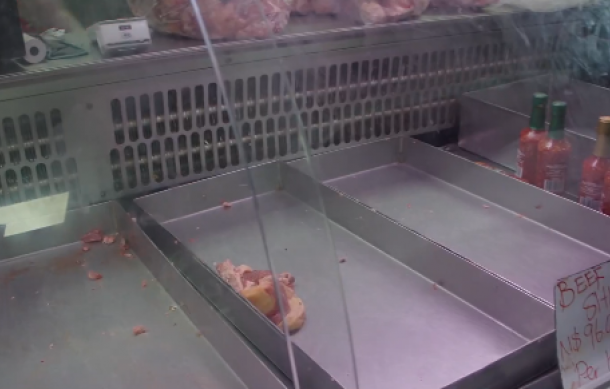
The confirmation of Foot-and-Mouth Disease (FMD) in the ||Kharas Region is raising concerns among consumers, with residents rushing to supermarkets and butcheries to buy meat amid uncertainty over supply, prices and the impact on the livestock market.
For some shoppers, it was business as usual, until news of the Foot-and-Mouth Disease outbreak triggered a rush for meat. Long queues formed at supermarkets and butcheries as consumers moved to secure supplies, with some finding meat shelves already cleared.
The outbreak was detected at a commercial farm in the Karasburg State Veterinary District during routine surveillance. Ten of the 11 samples collected from cattle tested positive for the disease. The government has since introduced measures to contain the outbreak, including restrictions on the movement and marketing of cloven-hoofed animals and their raw products.
For consumers, however, the restrictions are already creating uncertainty about the availability of meat.
"I just came here to buy meat. Upon arrival, I saw a crowd gathered. I usually buy my meat here… today is Thursday, but why is it full? Then I remembered about the FMD. The meat is finished. I didn't even get a packet, not even one. I wanted to buy and go eat meat. I just like eating meat every day. I don't know how I'm going to survive. My biggest fear is the lack of meat. We need to eat meat; we are so used to eating meat. The other thing is me being a Herero, we are not going to sell our cattle. How will I survive?"
The measures also include restrictions on slaughtering, as well as imports and exports of cloven-hoofed animals and their products.
With the movement of livestock and meat disrupted, consumers and businesses are now watching closely for possible changes in supply and prices.
Beef, lamb and other red-meat products could face tighter supply, potentially prompting some consumers to turn to alternatives such as chicken and fish.
Whether this will lead to higher prices for alternative proteins will depend on factors including supply, demand and the availability of meat substitutes.
"We just saw that there is no meat in the supermarket and all that, so we are just rushing to buy our meat pieces. I have been standing since two o'clock, and now it's four o'clock. It's two to three hours. Not what I wanted, but I got something, yes. All the lamb is out."
The duration of the restrictions and the extent of the outbreak's impact remain uncertain.
Farmers, traders, retailers and consumers will now have to adjust to a changing livestock market.
"There's a lot of uncertainty. They said they are going to close it for three months. So three months is a long time. No animals can move around, and no red meat is going to be on the market; that's why people are rushing."
The impact is also being felt beyond the retail market.
Meatco has suspended further beef exports requiring movement under affected arrangements following confirmation of the outbreak.
For households, the immediate concern remains the availability and affordability of meat on supermarket shelves, as authorities work to contain the disease.
Consumers and businesses will continue to monitor the livestock market, meat supplies and demand for alternative sources of protein.