


Forty years after the UN recognised development as a human right, millions remain locked out of economic and social progress.
This has prompted the UN, Namibia and Zimbabwe to demand action on inequality, debt, climate change and access to resources during the high-level meeting to mark the 40th anniversary of the Declaration on the Right to Development.
The 1986 Declaration on the Right to Development promised development, human rights and international cooperation would advance together.
Four decades on, UN Secretary-General António Guterres sounded the alarm that the promise remains out of reach for millions.
Food insecurity, limited access to water and sanitation, conflict and climate change, he says, are among the barriers holding back development.
"Forty years ago, member states made a powerful promise. The Declaration on the Right to Development recognised that development, human rights, and international cooperation must advance together. Today, we celebrate that vision, but we also recognise a stark reality. For millions of people around the world, that promise remains unfulfilled."
The UN High Commissioner for Refugees, Volker Türk, blamed the imbalance in the international economic system as an impediment to socio-economic development.
"The 40th anniversary of the adoption of the declaration calls for states to live up to their commitments by addressing three obstacles to its implementation. The first obstacle is that our international economic and financial systems are grotesquely out of balance. Unequal terms of trade and unbearable debt repayments squeeze human rights and human dignity out of public budgets."
Namibia and Zimbabwe consistently highlighted the daily realities that developing countries face in the development process.
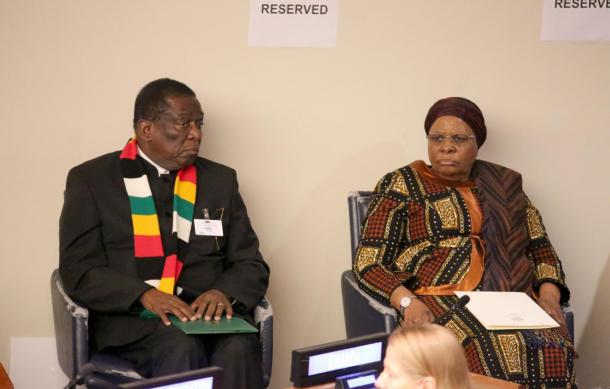
Presidents Netumbo Nandi-Ndaitwah and Emmerson Mnangagwa both called for sovereignty over people, land and natural resources to be respected.
"Namibia wishes to highlight that there is an undeniable link between the level of development of states and their ability to deal with disasters, with particular reference to the impacts of climate change," said Nandi-Ndaitwah. "Therefore, the principle of common but different responsibilities needs to be respected as a matter of urgency."
Mnangagwa said, "Furthermore, the sovereign prerogative for countries to pursue development pathways that are responsive to our unique circumstances, priorities, and aspirations should be protected. Zimbabwe has made significant progress towards entrenching development that ensures the dignity of ordinary people, beginning with household and national food security."
The 40th anniversary of the Declaration on the Right to Development high-level discussions were held on the margins of the UN General Assembly in New York.