OVER 87,000 KUNENE RESIDENTS FACE EXTREME FOOD INSECURITY
Breadcrumb
The Namibian Annual Livelihood Vulnerability Assessment identified over 87,000 people in the Kunene region as being at extreme risk of food insecurity.



The Namibian Annual Livelihood Vulnerability Assessment identified over 87,000 people in the Kunene region as being at extreme risk of food insecurity.
The Namibian Annual Livelihood Vulnerability Assessment identified over 87,000 people in the Kunene region as being at extreme risk of food insecurity.
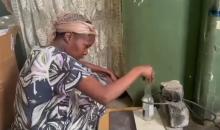
A 40-year-old mother of six from Swakopmund is turning discarded bottles into handmade drinking glasses to provide for her family.
Despite losing her job years ago, she refused to let hardship define her future.
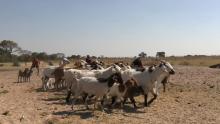
A goat rotation project in Mpezo village in the Kavango West Region has transformed the lives of four beneficiaries, who now own livestock and skills they never imagined they would have.
In 2023, Johana Kazana and Elisabeth Likiwa received 10 goats from the regional council under a rotation agreement.
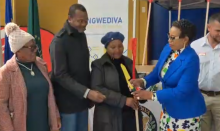
Ongwediva Mayor Naemi Amuthenu has launched the Mayor's Community Backyard Gardening Project aimed at improving food security and promoting self-reliance among residents of the town.
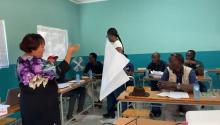
The University of Namibia (UNAM) conducted a three-day capacity-building training in Tsumkwe.
The training aims to strengthen community resilience, promote sustainable livelihoods, and enhance the integration of human, animal, and environmental health.
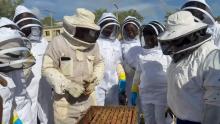
Fifteen Kunene residents were trained in beekeeping, where they were introduced to modern beekeeping practices and techniques for sustainable honey production.
Sibbinda Constituency is the latest to receive fibre connectivity from Telecom Namibia.
Connected to the internet now are the constituency office, the health centre, and the education circuit.