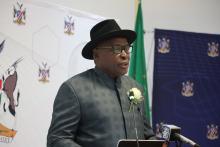

AFRICAN GREEN INDUSTRIES SUMMIT KICKS-OFF
Breadcrumb
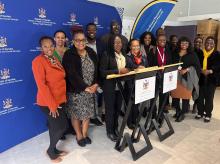
Namibia is pushing for green industrialisation to drive economic growth, create jobs and reduce the country’s dependence on exporting raw materials.
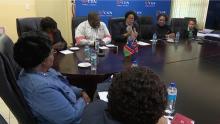
The Parliamentary Standing Committee on Poverty Eradication, Labour and Industrial Relations Chairperson, Justina Jonas, has called for stronger enforcement of labour laws and better-resourced institutions to protect workers.
Prime Minister Elijah Ngurare said every Namibian deserves access to quality healthcare as the government works to strengthen the country's health system under the NDP 6 plan.
During his visit to the Swakopmund State Hospital, Ngurare said quality healthcare must remain a priority.
A N$70,000 donation from Swakop Uranium is set to support Ovahimba community women-owned businesses living at the foot of the Brandberg Mountain.
Operations at Gendev Fishing Group remain at a standstill after 600 workers downed tools last Thursday in an ongoing wage dispute.
Negotiations between management and the Namibia Seamen and Allied Workers Union, NASAWU, are continuing, but no agreement has yet been reached.
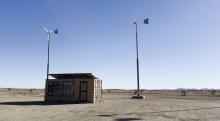
The Namibian government has reaffirmed its commitment to using green hydrogen as a driver of rural development, employment and sustainable economic growth during an international monitoring mission at the Dâures Green Hydrogen Village in the Erongo Region.
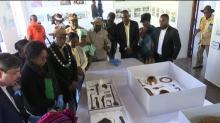
A collection of cultural artefacts, linked to railway workers and communities affected by colonial rule, has been returned home from Switzerland after more than 120 years.
Deep Yellow Namibia, through its Namibian operations, has donated branding and presentation materials to the Erongo Health Directorate to strengthen public engagement and communication efforts.
The Minister of Urban and Rural Development, James Sankwasa, has warned local authorities that fail to submit audited financial statements, collect outstanding revenue, and improve service delivery that they should not expect government bailouts or funds.
The majority of patients with chronic kidney disease and acute renal failure are forced to travel long distances or rely on private facilities for life-saving dialysis.