UNESCO CHAIRS DRIVE NAMIBIA'S DEVELOPMENT
Breadcrumb
Driving development through research, training and international collaboration, UNESCO Chairs are at the forefront of addressing major national and global challenges.



Driving development through research, training and international collaboration, UNESCO Chairs are at the forefront of addressing major national and global challenges.
Research is most useful when it informs decisions that help address people's challenges.
These were the words of the Minister of Education, Innovation, Youth, Sports, Arts and Culture, Sanet Steenkamp, during the UNESCO Chairs in Namibia and the World Science Day celebration in Windhoek.
Namibia is looking at securing alternative markets for its meat and related products, amid suspension by major markets due to the recent outbreak of Foot and Mouth Disease (FMD).
The outbreaks and economic impact of Lumpy Skin Disease since 2024 prompted the Livestock and Livestock Products Board of Namibia to introduce a vaccine subsidy programme for the coming year.
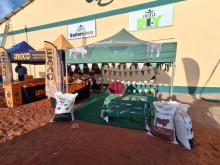
This was revealed by the Board's Manager of Farm Assured Namibian Meat, Victor Klazen.
The agriculture sector is losing millions of dollars due to food and mouth disease operational costs.
The agriculture sector has lost about N$118 million in operational costs due to the outbreak of the foot-and-mouth disease (FMD).
Nutrition plays a vital role in maintaining livestock health and supporting efforts to combat Foot-And-Mouth Disease (FMD).
Feedmaster Technical Advisor Frank Kanguatjivi highlighted this during an interview with NBC News.
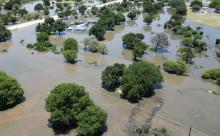
The world's top climate authority, the World Meteorological Organisation, says the weather phenomenon El Niño has an 80% chance of forming and warns that it could drive up temperatures and fuel droughts and flooding worldwide.
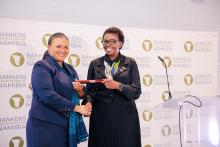
The Bankers Association of Namibia (BAN) held a chairmanship handover ceremony yesterday in Windhoek.
The Livestock and Livestock Products Board of Namibia held a climate-smart beef initiative engagement, focusing on how farmers can improve the quality and productivity of their meat-producing livestock through the Beef Genomics Programme phase 3.
Communal farmers are encouraged to register their livestock to support Namibia's meat market and contribute to economic growth.