NAMWATER PUSHES LOCAL PIPE PRODUCTION
Breadcrumb
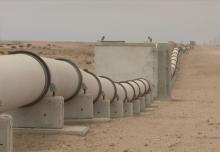
NamWater is driving negotiations to establish local manufacturing of large-diameter water pipes, reducing reliance on imports from China and Europe.



NamWater is driving negotiations to establish local manufacturing of large-diameter water pipes, reducing reliance on imports from China and Europe.
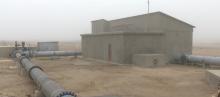
The government is spending nearly N$87 million to replace the ageing Omdel-Wlotzkasbaken pipeline, a critical piece of water infrastructure at the central coast.
The ageing Kuiseb Collector 2-Schwarzekuppe-Swakopmund water pipeline is undergoing final upgrades costing close to N$84 million.
The water pipeline has served the coastal area for more than five decades.
NamWater has been upgrading and modernising the 73-kilometer pipeline in phases.
Namibia's overall dam storage has declined slightly, with the country's major dams now at 80.9% of total capacity, down from 81.1% recorded last week, according to the latest NamWater weekly dam bulletin.
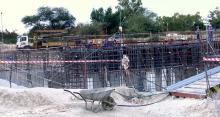
Oshana Governor Hofni Iipinge visited the construction site of the NamWater Oshakati Treatment Plant to evaluate the progress made and to gain insight into the advancement of the region's capital projects.
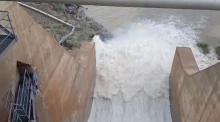
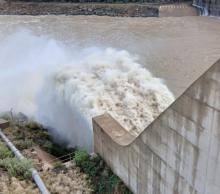
NamWater has opened the sluices of Naute Dam to release water after its water level surpassed its capacity of 100%.
Namibia is facing growing demand for water while its infrastructure is ageing and losing significant volumes through leakage.
Minister of Agriculture, Fisheries, Water and Land Reform, Inge Zaamwani, sounded this alarm at the inauguration of NamWater's newly appointed board.
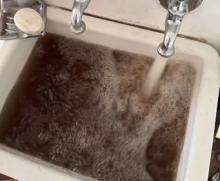
Following public concerns over discoloured water reported in parts of the capital, City of Windhoek says the issue is linked to the recent supply interruptions caused by damage to the NamWater pipeline from Von Bach.
The government's efforts to address the water crisis in the eastern parts of the Ohangwena Region are progressing well, as plans to improve water quality in the area gain momentum.
NamWater has begun installing pre-paid water meters in Keetmanshoop to curb escalating debt and improve water management. Spokesperson Lot Ndamanomhata confirmed the system will come into effect once installations are complete.