

Namibian consumers will brace themselves for higher electricity bills after the Electricity Control Board approved a 3.8% tariff increase for NamPower, effective 1 July 2025.
While lower than NamPower's initial application for a 17.44% hike, the decision still delivers a financial blow to already burdened households and small businesses.
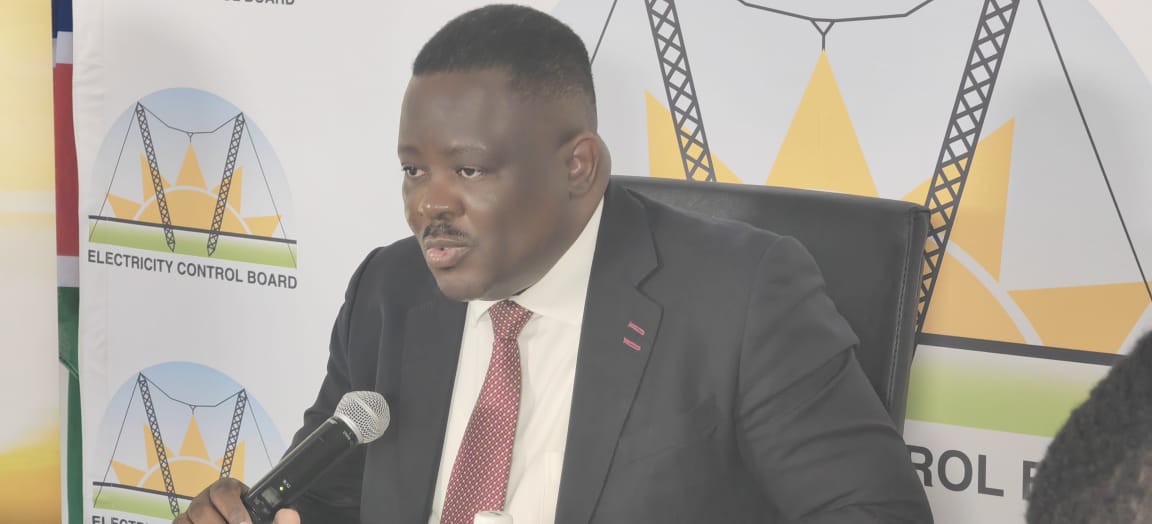
Announcing the decision in Windhoek, ECB Chief Executive Officer Robert Kahimise said the approved tariff was a result of balancing the utility's revenue requirements with the national imperative of electricity affordability.
The increase translates to an effective bulk tariff of N$1.98 per kilowatt-hour, up from N$1.91.
Namibians continue to battle inflation, fuel price hikes, and economic pressures – with electricity now joining the list of rising monthly expenses.
Namibian parliamentarians during a budget debate recently voiced displeasure over the manner in which tariff increases are handled, questioning the accountability of both the ECB and NamPower.
The National Assembly also seemed to have taken issue with a decision to put small defaulting municipalities on the prepaid system, which, although meant to help NamPower collect revenue, lawmakers believe has the potential to destroy the economy.
A case in point is the Rehoboth town, which has now been placed on a prepaid system for purchasing electricity.
"We need to find a balance on how we fund the new generation. If the government can fund the capital injection for future generation plants. It will reduce the cost of electricity significantly," said Kahimise.
This latest increase comes amid NamPower's warning of operational constraints and the need to invest in infrastructure and energy security.
Still, for many consumers, the bottom line is simple: another tariff increase means another blow to household finances, with few alternatives in a country where energy remains centralised and largely state-controlled.