


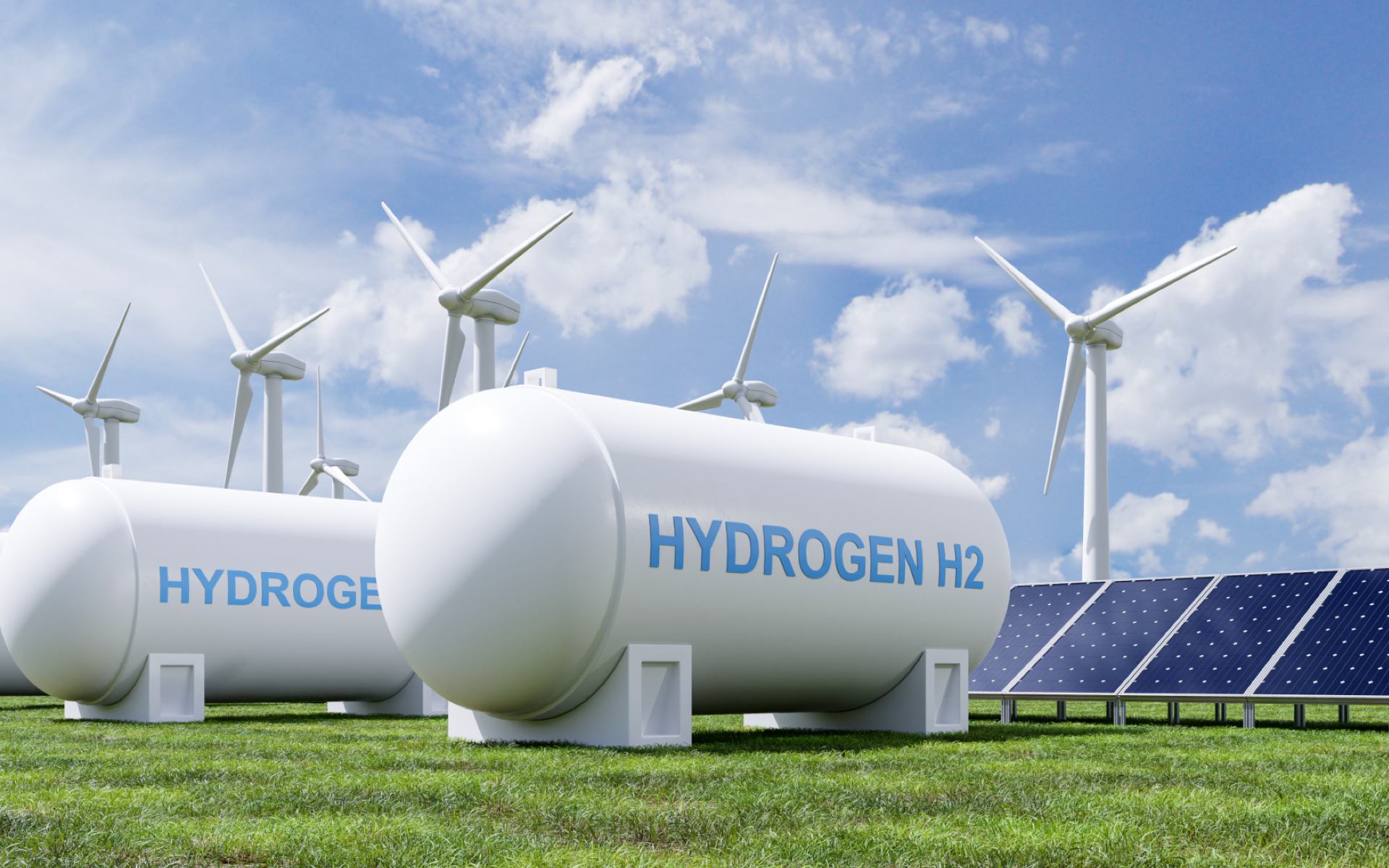
The Southern Corridor Development Initiative in the ||Kharas Region is set to become the heart of Namibia's green hydrogen revolution.
The Namibia Green Hydrogen Programme is conducting a strategic environmental and social assessment (SESA) for green energy production and industrialisation under the Southern Corridor Development Initiative.
Speaking at a media briefing, the Head of Impact and ESG Namibia Green Hydrogen Programme, Eline van der Linden, said the assessment seeks to strike a balance between sustainable energy development and environmental protection in the area.
SESA will provide strategic guidance on how to balance socio-economic development ambitions with environmental and biodiversity protection by assessing the potential cumulative impacts of various economic activities within a designated area of the SCDI.
"We are leaning on the international finance operation standards since, in our own legislation, we don't have the requirements for the SESA, and that also helps our project find finances for them to develop. Because when you are looking for international funding, you have to demonstrate that your project falls within the formalities of the government and falls within the restrictions of SDGs."
Van der Linden further noted that SESA will also consider existing and emerging activities in other sectors within the SCDI area, including mining and exploration, tourism, oil and gas, electricity generation, and mariculture.
"There is an organisation in the Netherlands that reviews SESAs and ISIAs, and they also provide pro bono services to certain target countries internationally. We are a target country. Namibia can benefit from this facility, and they will comply with an independent panel to look at how the SESA was conducted. The SESA is not just a study but a strong consultative process, and they will make sure that the consultation comes through in the final SESA."
The SESA SCDI is currently being implemented by Environmental Resource Management (ERM), under the guidance of a multi-stakeholder Steering Committee chaired by the Ministry of Environment, Forestry, and Tourism.
The assessment, which started in March of this year, will be carried out over a period of 12 months.
Danielle Sanderson, the Lead Social Scientist at ERM, explained that "We are getting the scoping worked out in August and September for comment. Then we will go on to the baseline development towards September to be circulated, and a draft document towards the end of the year, which is to be circulated at the end of next year with dissemination and capacity building to be ready by March 2026."
The SESA SCDI is funded through a grant agreement between the Environmental Investment Fund and GIZ Namibia for the Namibia Green Hydrogen Programme.