

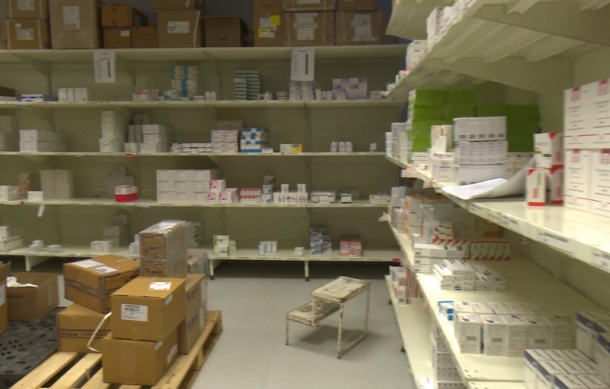
The Ministry of Health and Social Services (MoHSS) intends to save millions through its newly launched Namibia Essential Clinical Supplies List.
On average, the ministry is said to spend about N$250 million on clinical supplies annually, and they are hoping to reduce the amount, hence the catalogue's review.
The old list comprised 534 items.
65 specifications have been changed to be more accurate and standardised, and 119 outdated products have been removed.
The Director of Pharmaceutical Services, Naita Nghishekwa, explained that "we had 119 items out of the 534 that were no longer in use. How much wastage did that lead to? Because we had to identify them only when the facilities returned them, and not before the procurement process took place. So the final list of items was at 415. This is now the previous list. And then we also had the new additions, where 157 stock items were added. And they will go through extensive quality testing and surveillance before they are purchased. And the complete list now stands at 572 stock lines."
The review process involved a technical working group, comprising doctors, nurses, and pharmacists at all different levels, both nationally and regionally.
The Executive Director in the ministry, Penda Ithindi, said the document is a catalogue that serves as a reference for planning, procurement, stock management and quality assurance.
"One aspect is standardisation, which ensures that all facilities have access to the same approved high-quality supplies. Two, rational selection, thus guiding the procurement decisions to focus on essential items that are cost-effective and that are aligned with the national treatment guidelines. The third and final aspect is supply chain efficiency, which enables better forecasting, budgeting, and distribution, thereby reducing the risk of stockouts and waste. So by theory, defining what is essential, the next list ensures that our limited resources are channelled where they will have the greatest impact."
The list covers disposable items such as needles, syringes, wound care and dressing materials, diagnostic consumables, basic surgical and procedure kits, infection prevention supplies, and other non-pharmaceutical clinical items that are critical for routine and emergency clinical services and will be continuously updated.