


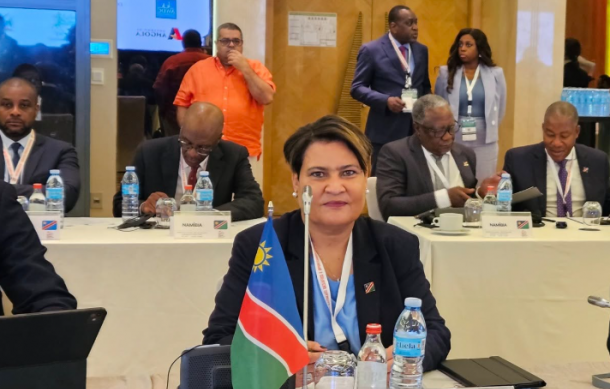
It is time to move beyond conversation into action.
These were the words of Deputy Minister of Industries, Mines and Energy Gaudencia Krohne during the Climate Disaster Risk Reduction Management workshop organised by the International University of Management in the capital.
The Intergovernmental Panel on Climate Change suggests that climate change is human-induced and affects the weather and climate in every region across the globe.
Countries, including Namibia, continue to experience climate vulnerabilities such as drought, heatwaves, veld fires and floods.
"We are living through an era marked by a rapidly changing climate. Therefore, climate change is a global phenomenon with far-reaching consequences. Hence, a national approach to manage the risks is appropriate and necessary to create a local culture of disaster reduction, including disaster prevention, preparedness, recovery and rehabilitation."
The Deputy Minister called for a fundamental shift in priority towards preparedness, investment in resilient infrastructure, and empowerment of communities.
She stressed the importance of integrating risk planning into every aspect of development.
"The mandate of the directorate of disaster risk management in the office of the prime minister is to 1. Strengthen 2. Facilitate and provide support to the disaster risk management committee at regional, constituency, settlement and local authorities in Namibia and serve as the secretariat to the national disaster risk management committee."
The minister urged researchers and scholars in academia to use the existing legal framework and policies to ensure a more proactive and community-centric approach.