


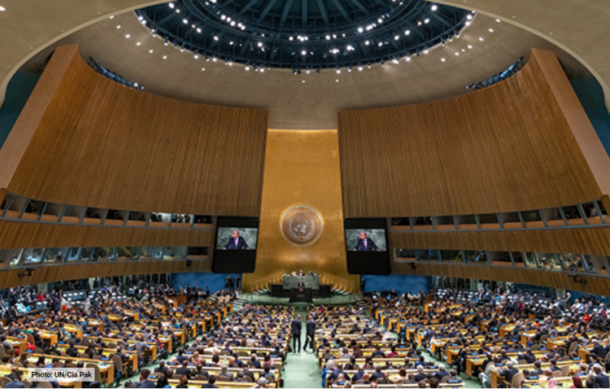
The high-level debate at the United Nations General Assembly's opening day was far from routine.
As the first speeches concluded, the tension in the chamber reflected the gravity of the global moment, from wars raging on multiple continents to the growing impatience among nations demanding that rhetoric be matched with tangible results.
More than 150 heads of state and government are expected to take the green lectern this week, reaffirming long-held positions and staking out new ground.
Yet the 80th session has already highlighted a sharp contrast in debates: an urgent call for collective solutions on one side and a deepening divide over how to achieve them on the other.
From Africa came renewed insistence that the Security Council be reformed to give the continent a stronger voice. From the Middle East, the ongoing Israeli-Palestinian conflict dominated speeches, alongside the war between Russia and Ukraine, which continues to fracture alliances.
Each speaker, in their allotted 15 minutes, delivered carefully crafted messages, but the passion in their tone suggested a world running short on patience.
Then there was a departure from traditional diplomacy as host President Donald Trump broke with the measured language typical of the Assembly for a more combative tone, causing a wave of murmurs across the chamber.
Beyond the speeches inside General Assembly Hall, the corridors of the UN buzzed with back-to-back bilateral meetings—moments when quiet negotiations often proved as consequential as the formal addresses.