


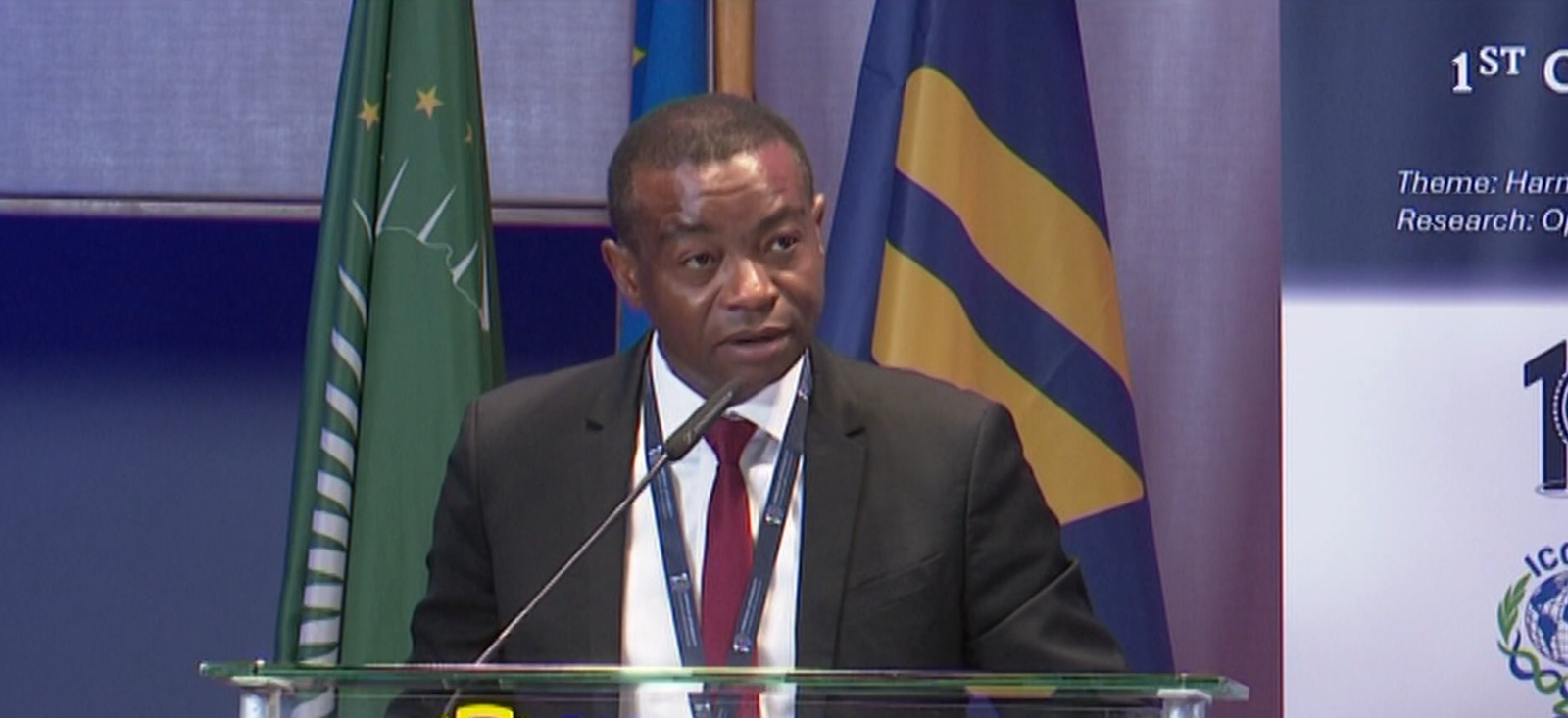
The Namibian University of Namibia (NUST), in partnership with the International Centre for Genetic Engineering and Biotechnology, hosted the Cancer Genomics Conference in Windhoek to create awareness about the growing cancer burden in Africa.
Statistics have it that in 2019, Africa's samples only made up 3% of the global genomic data, and that number reduced to 1.1% in 2021.
"Together, we are laying the foundations for a genomic revolution in cancer research, diagnosis and treatments. This conference represents a critical milestone for Namibia on the path to advancing cancer research, enhancing biomedical innovation and ultimately improving health outcomes for our people," explained Professor Erold Naomab.
Professor Naomab said that NUST has invested significantly in genomics, bioinformatics, molecular biology and multidisciplinary teams focusing on cancer genetics and molecular foundations through the departments of biology, chemistry and physics.
"By leveraging our advances in cancer genomics, we envision integrating precision medicine into clinical practice, offering patients more effective personalised treatment options that improve survival and quality of life."
Executive Director in the Ministry of Health and Social Services, Penda Ithindi, said the impact of cancer and types of cancer rob the nation of the best.
"So whenever there is limited investment in innovation, the solution that we have, the products that we have, may not be relevant to our local context, and that's one. Secondly, if we don't make progress points on innovation, then obviously we remain static, because nothing really happens, so the landscape remains almost the same."
Ithindi noted cancer is a growing public health concern with around four thousand new cases each year and an alarming annual rise of about 12%.
"Among men, prostate cancer is the most common, but we know too well that breast cancer and cervical cancer lead among women, with many cases worsened by the late screening and the limited access to treatment."
He said cancers such as palsy, sarcoma, colorectal cancer and non-Hodgkin lymphoma also add to the burden.
This conference will run until Friday under the theme, "Harnessing functional genomics in cancer research: opportunities for diagnosis and treatment."