


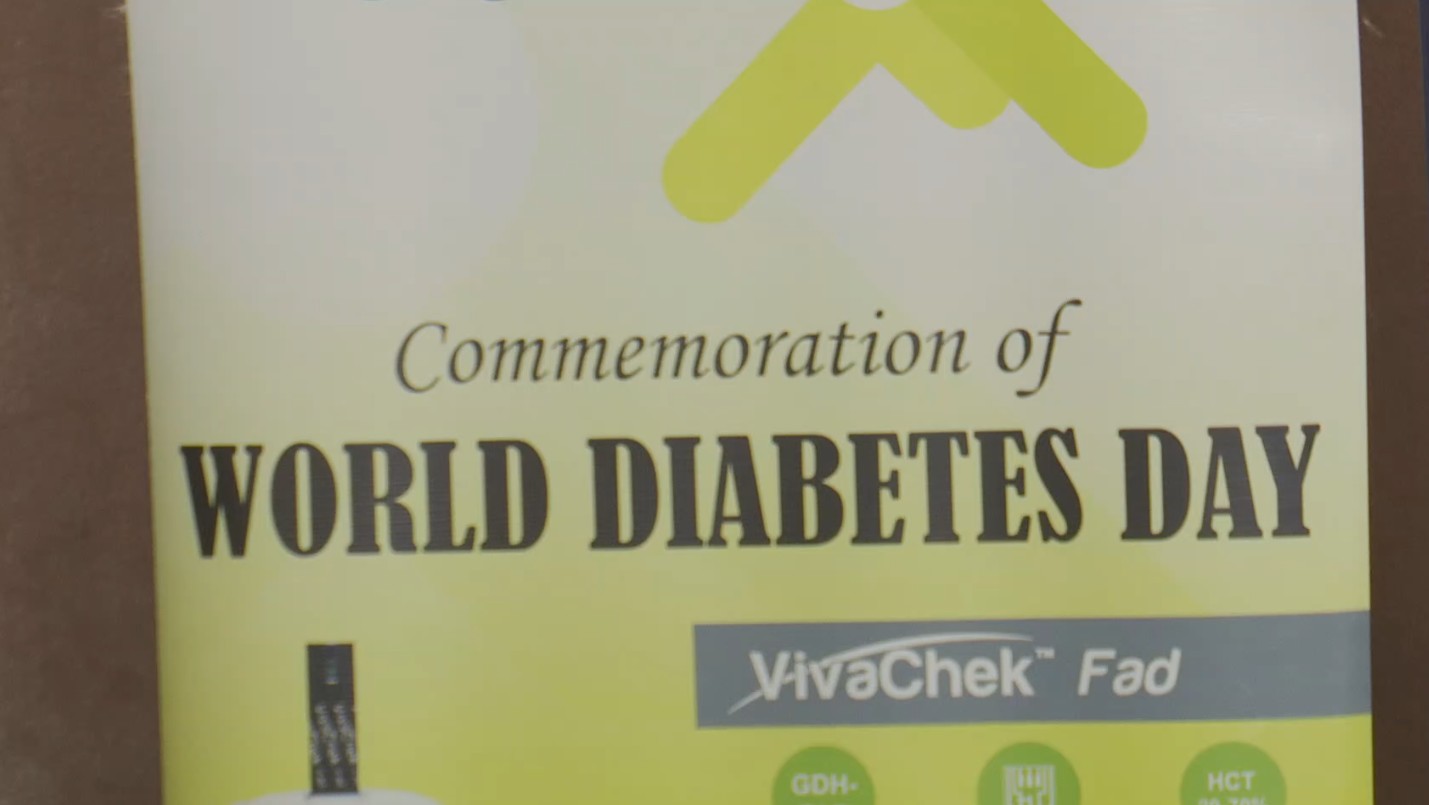
The Ministry of Health and Social Services' Chief Programme Officer for the Family Health Division, Emma Iyambo, said diabetes is one of the fastest-growing health challenges, which is silently affecting individuals, families, and workplaces.
Emma Iyambo was speaking during the World Diabetes Day commemoration in Windhoek on Friday.
World Diabetes Day was commemorated under the theme "Diabetes across life stages".
"Through the primary healthcare directorate in the Ministry of Health, the ministry has introduced prevention and diagnostic treatment at the initial point of contact, which includes clinics, health centres, hospitals, and referral hospitals. This does not exclude community outreach and the recent unit called health post that the ministry established so that this care is available at the lowest point of care, which is at the village level, as an example," said Iyambo.
Ministry of Health and Social Services Deputy Executive Director Taimi Amaambo stated that diabetes care is not one size fits all; rather, it requires tailored approaches to address the unique needs of individuals from childhood through adulthood and old age.
Amaambo has called on individuals, families, communities, employers, development partners and the government to work together to discuss the urgency of preventing diabetes.
"The implications for diabetes can be a lot more life-threatening. I don't know how many of us are here; we do know of people, whether it's in our communities or in our families, who are living with diabetes. Just raise your hand if you know of anyone living with diabetes. I do. Yeah, I do. So many of us do know, and we do take care of and support people living with diabetes. And that is what we need to do as a country."
The World Health Organisation's country representative, Dr. Richard Banda, noted that in 2021, globally, over 537 million adults were living with diabetes, which is one in ten people having diabetes, and in Africa, 24 million people were living with diabetes, and this is projected to double to 55 million by 2045.
He said the prevalence of diabetes globally and in Africa is worrisome, and the high burden of the disease demands urgent, sustained action; thus, World Diabetes Day raises awareness of the growing impact of diabetes and discusses strategies for prevention and management.
"I know that diabetes is a significant public health challenge here in Namibia, with six per cent of women and seven per cent of men being diabetic. If this trend is not reversed, it will overwhelm health systems, strain the economy, and undermine the significant development achievements already made."