


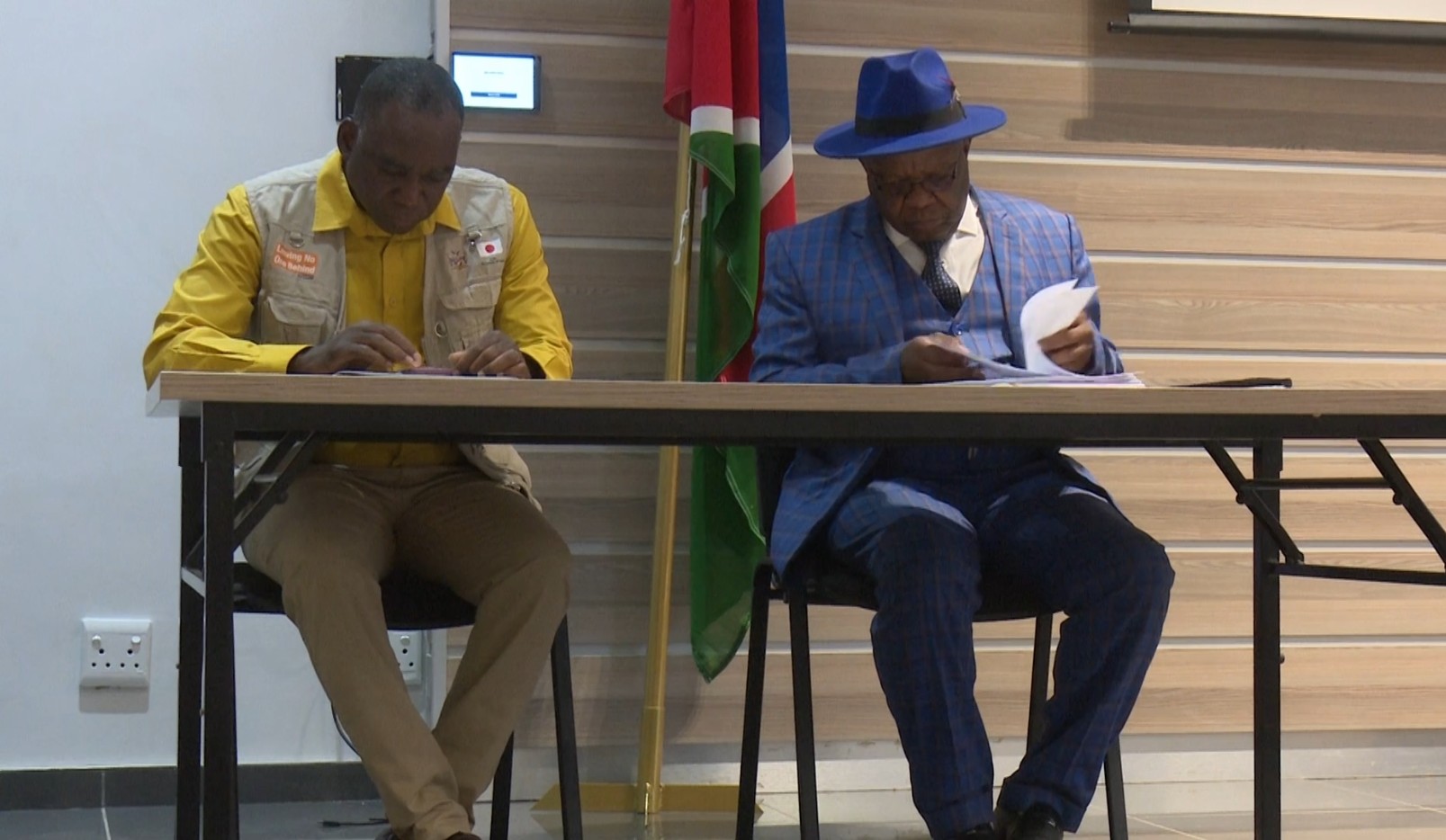
Otjozondjupa Governor John ||Khamuseb raised concern over alleged unfair recruitment practices in the region's education sector.
The governor was speaking at the State of Education engagement held in Otjiwarongo.
||Khamuseb told education stakeholders that his office has been approached by several concerned community members questioning the credibility of recruitment and staffing across schools in the region.
According to ||Khamuseb, reports submitted to his office claim that heads of department, principals, teachers, and administrative staff in some schools, as well as within the regional education office, largely come from one ethnic group.
"Public recruitment must reflect national bills; public institutions must embody inclusivity, equity, and transparency; the selection community must not feel excluded, and individuals should not receive preferential treatment or background checks because Otjozondjupa is a diverse region."
Such an imbalance, as the governor noted, not only undermines transparent recruitment but may also create conditions where favouritism and corruption thrive.
||Khamuseb further raised concern over the continued existence of combined schools, calling on the Ministry of Education to gradually transform them into separate primary and secondary schools to improve academic performance.
Responding to the allegations, Otjozondjupa Education Director Gerhard Ndafenongo dismissed the claims as unfounded, saying he is not aware of any discriminatory recruitment practices and maintains that staffing in the region is diverse and merit-based.
"For some of us, when we do recruitment, we don't see tribes; we see Namibians getting into jobs. If we choose tribes, it would be worse, but unfortunately. I do not see the claims of the HoDs and the principals from one cultural group because, in Otjiwarongo alone, the people occupying those positions are diverse from diverse cultural backgrounds."
While there are developments in the sector, especially in Okahandja, where Ndafenongo noted the introduction of local languages such as Otjiherero, Khoe-Khoeɡowab and Oshindonga, the major challenge they are experiencing is a lack of qualified or specialised teachers.
Other challenges experienced by the education sector in the region included overcrowded classrooms and vandalised boreholes in schools.
The Otjozondjupa Region currently has 58,224 learners across 91 schools, including 20 private schools, with five new schools added in the past two years.