


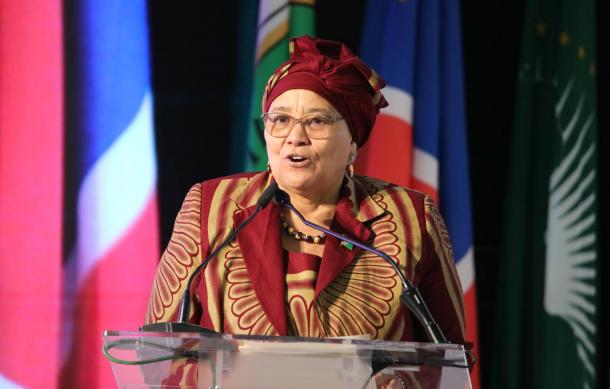
The Vice President says despite the government's efforts in expanding services that are meant for the well-being of people with disabilities and marginalised communities, it is unfortunate that these groups still face challenges that hinder them from participating actively in the social development of the country.
Lucia Witbooi was speaking at the annual planning and review workshop in Windhoek today.
Among the achievements highlighted, the vice president pointed to development projects at the Keetmanshoop Disability Resource Centre, the launch of the Sign Language Application, and the release of the Disability Cost Report, among others.
Similarly, she says the division responsible for Indigenous minority communities has continued to advance key initiatives aimed at improving livelihoods and strengthening social inclusion for marginalised communities.
"Further initiatives include the implementation of housing and sanitation programmes, as well as enhanced engagement with students from marginalised communities to better understand and address the challenges they continue to face."
However, Witbooi says limited financial resources continue to hamper the implementation of several important initiatives, particularly within the Division of Disability Affairs, which currently has no dedicated funding for project implementation.
The Division responsible for Indigenous Minority Communities is also faced with structural and policy challenges, including limited benefits reaching communities listed as shareholders in Exclusive Prospecting Licences, tourism concessions, and fishing quotas.
"In addition, the issue of land allocated to Indigenous minority communities being occupied by non-Indigenous minority groups requires urgent and coordinated attention. Equally important is the need to strengthen institutional capacity within the Division for Marginalised Communities, which currently operates with a lean structure while addressing complex national challenges."
The planning session is therefore being held to reflect on progress made, identify existing gaps, and chart the way forward in advancing the rights, dignity, and socio-economic development of persons with disabilities and indigenous minority communities.
"Let this planning workshop not only be a discussion but also a commitment to enhancing our capacity, aligning our resources, and ensuring we meet the expectations of our people with integrity and dignity," says Witbooi.
Niita Iipinge is the director of Disability Affairs and Marginalised Communities, who adds, "Let us ensure that the plan we craft together is not a document of intent but a road map for tangible change in the lives of those we serve, and we should align it to NDP6 and the budget. The allocated budget puts us in a position of doing more with extremely less."
The Vice President also officially handed over eight vehicles purchased by the division to support its operations within the regions.