


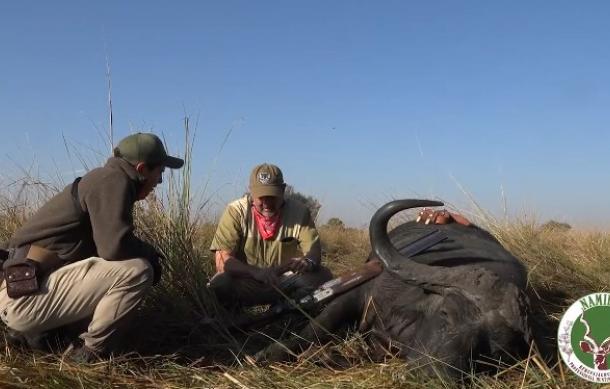
The Namibia Professional Hunting Association (NAPHA) has urged game farmers to be vigilant about foot-and-mouth disease (FMD) among wildlife.
The association warned that they, too, are at risk of contracting the disease.
Just like livestock, cloven-hoofed animals such as buffalo, antelope species such as kudu, eland, impala, and springbok, as well as warthogs, can get FMD.
"Although antelopes are not really known to carry FMD, buffalos are known carriers; although the buffalos are all up north, we just want to make sure that we do everything we can to protect Namibia, and if it comes to that, it is obviously important to know what to look out for if you have animals that are acting in a suspicious way, drooling, or drowsy, to just make 100% sure that you are safe," said Kristin Maritz, from NAPHA.
If not properly controlled, wildlife can spread it to domesticated animals.
The association has developed Foot-and-Mouth Disease Biosecurity Guidelines for Hunting and Game Farms.
Guidelines set out several practical measures used to prevent the introduction, establishment, and spread of diseases between animals, farms, and high-risk areas.
Martiz emphasised that good biosecurity protects wildlife health and the sustainability of game populations. hunting and tourism income, and Namibia's reputation as a wildlife destination.
"We have, as hunting farmers, as professional hunters, a lot of clients coming from overseas, and they might travel through those countries that currently have an FMD outbreak. So, in that regard, and I know some of my members already implemented it, you make sure that you have biosecurity. If they come in, you have footpaths; even if they did go through a footpath at the point of entry, you still do that."
Game farmers can enhance safety by keeping disinfectant available, ensuring staff understand biosecurity procedures, and acting immediately if disease is suspected.
"You can always contact the state veterinarians. A long list of contact numbers is available to these farmers and has also been shared with our members. Then, you should isolate the animal and place it in quarantine to ensure it does not have further contact with other animals."
He is further urging farmers and the public to avoid panicking during times like these.
Farmers can obtain the Foot-and-Mouth Disease Biosecurity Guidelines for Hunting and Game Farms on the NAPHA website.