


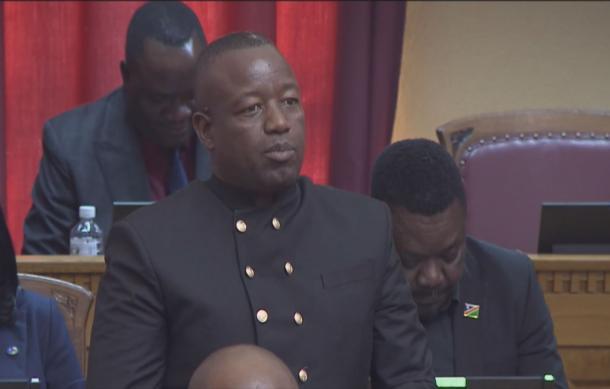
The ongoing shortage of medicines in public hospitals has sparked renewed criticism from NUDO leader Vetaruhe Kandorozu, who accused the Ministry of Health and Social Services of failing to address what he described as a worsening crisis in the country’s healthcare system.
In a statement, Kandorozu claimed the health system is “deteriorating beyond rescue” and accused the ministry of gambling with the lives of Namibians while essential medicines remain unavailable in state facilities.
The MP questioned recent claims by the ministry that pharmaceutical supplies delivered between 27 April and 15 May had improved stock levels at the Central Medical Stores.
According to Kandorozu, critical medicines such as blood pressure treatment remain unavailable, while hospitals continue to ration limited supplies and rely on borrowing medication from private hospitals.
He further alleged that state doctors are increasingly issuing prescriptions for patients to purchase medicines privately, despite many being unable to afford them.
Kandorozu also claimed that government theatre operations had been disrupted due to shortages of anaesthetics, forcing some patients to be referred to private hospitals at government expense.
The Ministry of Health and Social Services has, however, defended its interventions, stating that current pharmaceutical supply levels stand at an estimated 60 per cent nationally.
In a detailed response issued by the Office of the Executive Director, the ministry acknowledged that several essential products remain understocked or out of stock, but said emergency procurement measures are underway locally, regionally, and internationally to stabilise supplies.
The ministry said additional pharmaceutical and clinical supplies were received at the Central Medical Stores between 27 April and 15 May as part of ongoing interventions to improve medicine availability across the country.
It added that some deliveries are being completed in phases due to supplier production schedules and stock availability, while certain products already have up to nine months’ worth of stock secured.
Authorities said measures being implemented include bulk procurement, expanded supplier networks, fast-tracked medicine registration processes, improved stock-monitoring systems, and strengthened distribution logistics to health facilities nationwide.
The ministry also acknowledged public frustration over the shortages and announced that monthly updates will now be issued to keep the public informed on medicine supply levels and ongoing interventions.