


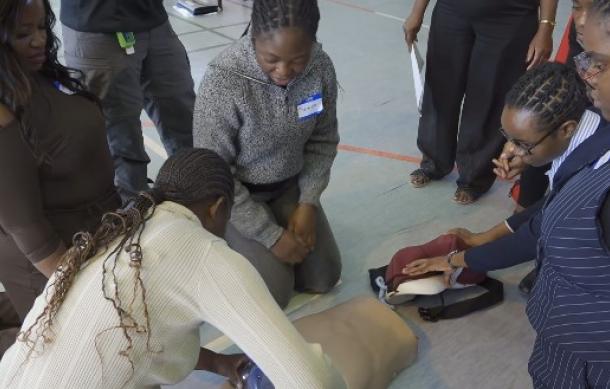
The University of Namibia's (UNAM) and Idaho State University's collaborative advanced life skills training is in its final phase.
The training aimed at reducing maternal and neonatal deaths will conclude in the Zambezi region, covering midwives from the Kavango West and Kavango East regions.
UNAM's midwifery lecturer, Ingenesia Tjiurutue, said the project started in 2024 and has so far trained 94 individuals and a combination of 118 individuals from the three regions.
"This training looks at the emphasis on the emergencies that midwives encounter on an everyday basis because they are usually the first people that every pregnant woman is going to encounter, whether it's at a health centre or the hospital."
Tjiurutue added that the training also includes early warning signs of when to help a baby that cannot breathe.
She explained often complications that start at home need to be met with an immediate accurate diagnosis when the mother gets to the hospital.
Director of Maternal Child Health at Idaho State University Dr Sarah Tiggelaar explained that the training offers a hands-on approach in order for the participants to retain the knowledge.
" All the participants really enjoy it because it very hands on they get to practise on lots of things and come out really feeling like they can do it because they have done it already and the training programmes were kind of enabled by a grant by a family doctor that went to Idaho state Rebecca Kenny, she donated a lot of funding for the programme to buy the mannequin, enable for us to come and do this training but the idea is that its sustainable, so now that we have trained a lot of midwifes as instructors this year we are certifying them as instructors and then they will be able to carry on the programme without us they can teach and save lots of maternal babies lives."
Zambezi region governor Dorothy Kabula urged the training also extend to midwives in rural areas.
"There was a time when I brought one lady who wanted to give birth; because of the distance, that lady had to give birth in my car, and I brought that lady to the hospital while connected to the mother. You see how vast our region is in terms of maternal issues. Then we need to build to avoid the distance; we need to have health centres, not only 3."