


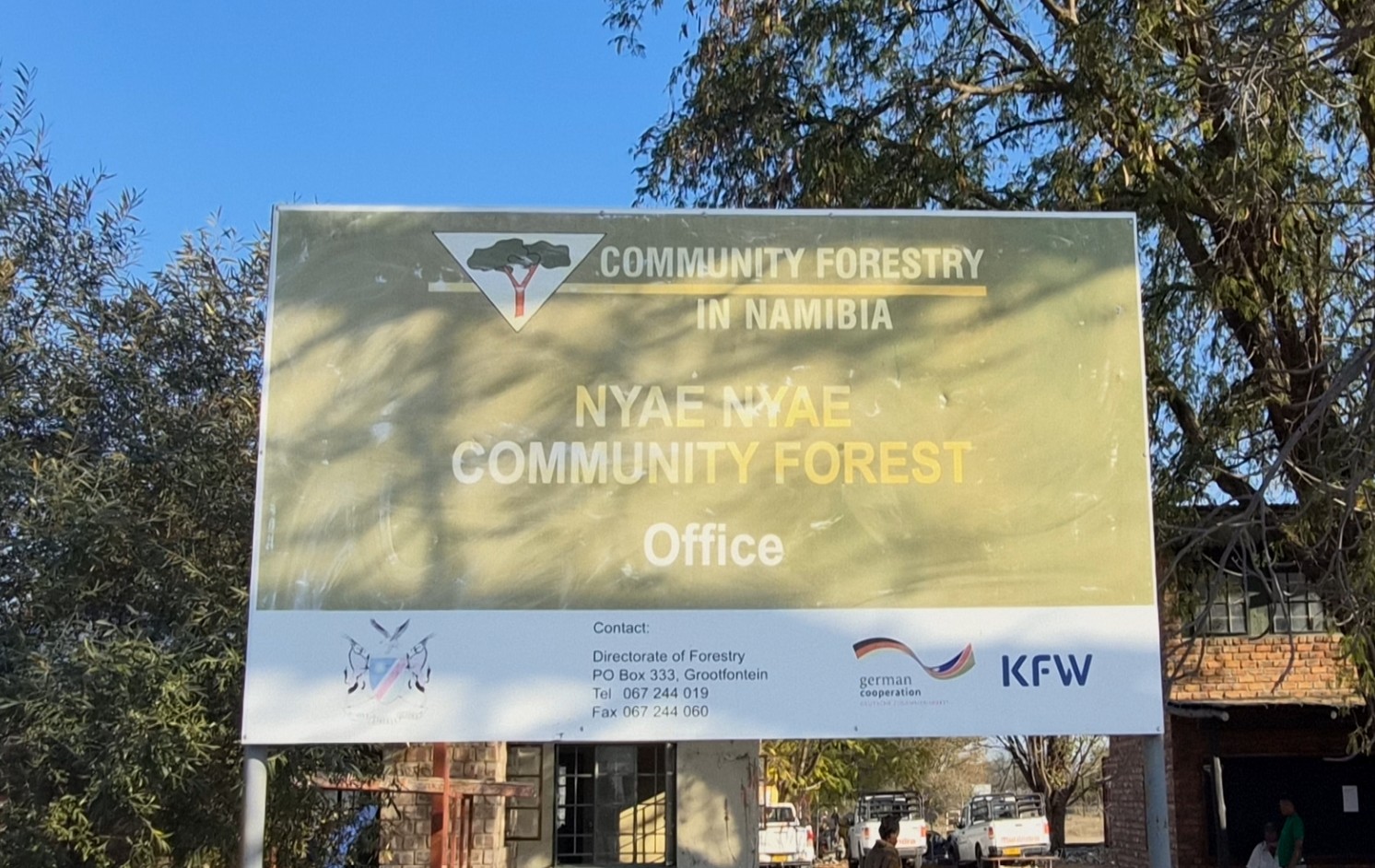
Sustainable harvesting of devil's claw is providing an economic boost to Tsumkwe's Den/'ui Village within the Nyae Nyae conservancy.
Devil's claw is a medicinal plant native to the Kalahari Desert, which is widely used in herbal supplements to help ease joint pain, back pain, and symptoms of arthritis
Speaking to NBC News, devil's claw harvester N!aici Kxomi explained that harvesting devil's claw is much more than just seasonal work. Each sustainably harvested root symbolises funding for school fees, groceries, clothing, and the hope for a brighter future.
He said the income allows many families to meet their daily needs while protecting a natural resource that has sustained their community for generations. Kxomi says he managed to buy a horse with money he got from selling the plant, and he is now planning to buy cattle if he sells again this year.
"If you harvest devil's claw properly, clean it, and dry it thoroughly, the buyer will pay you after weighing it. With this, you could potentially buy cattle. For example, if you sell just two bags, you might earn over N$6,000, which would allow you to purchase a heifer worth N$4,000 for yourself. You can buy a lot of things through this plant. Even if you don't have a house, you can buy corrugated iron sheets and build yourself a house."
Another harvester, Cwi G/aq'o said the process of harvesting is demanding; however, once the end product is sold, he makes a lot of money. G/aq'o said he sometimes saves the money he gets from Devil's Claw for December when he is with his family.
"You can make a very good profit when you sell Devil's Claw, even though the harvesting phase can be challenging. Once you've filled your own bags, you'll feel a sense of accomplishment and will be able to afford maize meal. In the past, when I wasn't relying heavily on credit from shops, I would sell Devil's Claw and save the money for Christmas."
Under the guidance of the Nyae Nyae Conservancy, its members follow strict sustainable harvesting practices, ensuring that the plant continues to grow for future generations.
According to the conservancy's coordinator for the devil's claw project, Jamson /Kaece Cwi, the opportunity to harvest devil's claw is one of the key benefits available to registered conservancy members once they reach the age of 18.
"I provide training to the communities, register them, and ensure they follow the proper harvesting processes. When I mention training, I refer to both current members and newly registered members who are preparing to harvest Devil's Claw, including those who have just turned 18 years old."
Cwi further said the Devil's Claw harvesting season, which starts in March and ends in October every year does not show promising results this year because of climate change.
According to Cwi, they sell Devil's Claw three times a year, but this year they will only have two selling events slated for August and the end of October.