


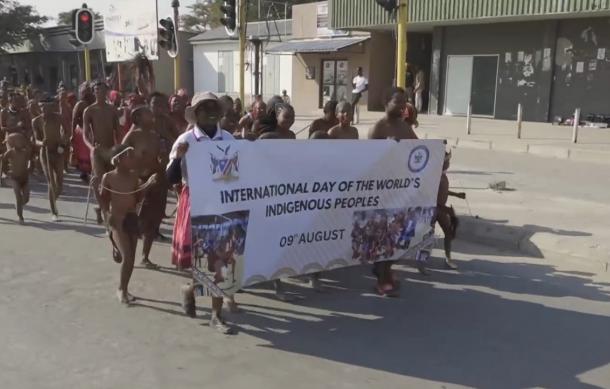
The government has highlighted that traditional midwives remain an important part of maternal healthcare, particularly in rural communities where access to formal health services is limited.
This was highlighted as Namibia celebrated the International Day of the World's Indigenous Peoples in Katima Mulilo in the Zambezi Region under the theme, "Honouring Indigenous Midwives: Safeguarding Life and Well-being."
Delivering a speech on behalf of Vice President Lucia Witboois, the Deputy Minister in the Office of the President, Moses ||Khumub, acknowledged indigenous people's contribution to safeguarding the lives of mothers and children and the preservation of traditional knowledge passed down through generations.
He said their role goes beyond assisting women during pregnancy and childbirth, as they also provide emotional, social and cultural support to families.
“Long before modern healthcare services became available in many rural and remote areas, Indigenous midwives served as essential providers of maternal care through knowledge passed down from their ancestors. They supported women during pregnancy, assisted mothers during childbirth, and provided care and guidance following delivery.”
||Khumub said traditional knowledge and modern healthcare should complement each other to improve maternal and child health outcomes while preserving valuable cultural practices.
The Governor of the Zambezi Region, Dorothy Kabula, noted that the celebration should inspire communities and help address barriers affecting indigenous and marginalised communities in all areas.
She highlighted staff shortages in offices responsible for serving these communities, a challenge she said continues to affect service delivery.
“I therefore encourage government employees, especially in the health sector, communities, and global partners, to respect Indigenous midwives. I also call upon government to continue investing in the training of the midwives.”
Kabula called for stronger advocacy and sustainable planning to improve support for indigenous communities.