

The Bank of Namibia has maintained the repo rate at 6.75%, while the prime lending rate remains at 10.25%.
The Bank of Namibia says the stance is aimed at supporting international reserves and safeguarding the one-to-one link between the Namibian dollar and the South African rand.
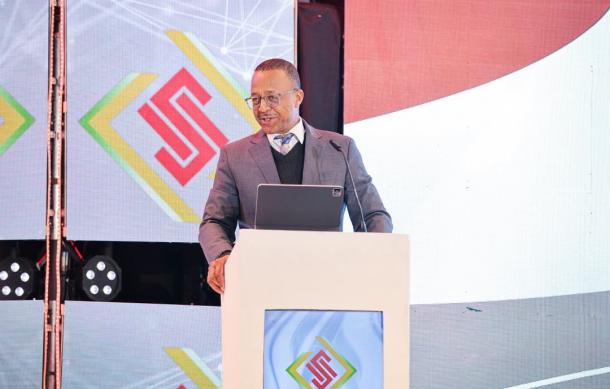
The Governor of the Bank of Namibia, Ebson Uanguta, announced, "This policy stance is deemed appropriate to support the stock of international reserves and safeguard the one-to-one link between the Namibian dollar and the South African rand. In determining the appropriate monetary policy stance, the MPC considered the need to close the interest rate gap between Namibia and the anchor country in order to stem capital outflows, alongside the elevated inflationary pressures."
Uanguta says Namibia's economic activity remained weak during the first half of the year, with sluggish performance recorded in sectors including mining, manufacturing, electricity generation and transport.
Economic growth for 2026 has consequently been revised downward to 2.1%, from an earlier projection.
Meanwhile, annual headline inflation rose to 4.4% in June, from 4.1% in May, mainly due to higher transport costs. Inflation is now projected to average 4% in 2026.
Namibia's merchandise trade deficit also widened to N$19.3 billion in the first six months of 2026, from N$12.8 billion during the same period last year.
"The preliminary stock of international reserves, however, rose to N$57.1 billion at the end of July 2026 from N$55.4 billion at the end of May 2026, and this is largely supported by SACU receipts and customer foreign currency placements. At this level, foreign reserves translated into an estimated import cover of 3.5 months, which remains sufficient to support the currency peg and meet the country's international financial obligations."
The next Monetary Policy Committee meeting, which, amongst others, reviews the repo rate, is scheduled for 26 and 27 October 2026.