


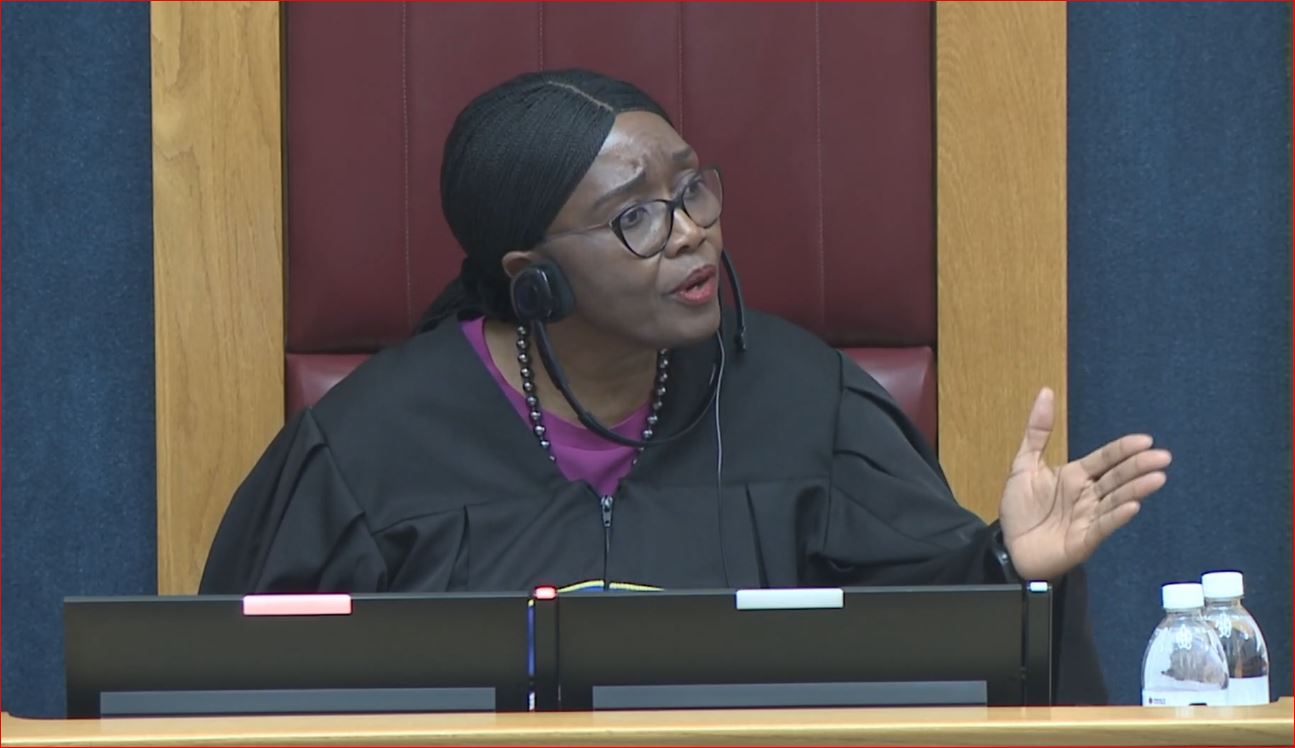
MPs from the opposition, arguing that while the speaker's decisions must be respected, a presiding officer must first give members an opportunity to be heard before making a ruling.
This follows a heated altercation and the subsequent removal of Affirmative Reposition leader, Job Amupanda from the parliament premises.
The confrontation arose after Professor Amupanda tabled and read a petition on Tuesday.
However, the speaker stopped him before he could finish, ruling that she needed time to study the petition before making an informed decision.
“Because the problem is just that you assume already what I was going to say. No, no. I'm saying you said you are deferring so that the record can be done. The record can be accurate. You say you need to apply your mind. No one is contesting that. It then means you went to apply your mind. In that application of your mind, you came back. I will finish. Why do you want me to say it? You're putting it in my mouth. You said you came back. You came back with the manner that you came back with. You make a ruling, you want me to say that,” asked Amupanda.
The speaker on Wednesday rejected the petition saying it did not follow parliamentary rules.
“Rule 216 of the Standing Rules requires every petition to be lodged with the Secretary of the Assembly, while Rule 217 governs its presentation to the House. I deferred my ruling on that matter. To which ruling I now hereby make in that the petition may not be presented. It may be lodged with the Secretary first in accordance with Rule 216.The ruling I wish to clarify does not deny the constitutional right to petition parliament by any person, but it does regulate the procedure for exercising that right as per the Standing Rules, orders, and internal arrangements.”
NUDO MP Vetaruhe Kandorozu also gave his input.
“You were supposed to leave the member to read the petition and until he finishes the petition and you defy your ruling. What you have ruled now is wrong because you did not defy the ruling.”
PDM Leader, McHenry Venaani on the other hand, raised concerns over what he described as un-paliamentary conduct by police officers within Parliament's precincts.