

A new initiative aimed at increasing fish consumption while creating jobs and business opportunities has been launched in Swakopmund.
The N$2.6 million Erongo Governor’s Fish Consumption Promotion Project will see fish shops established across all seven constituencies in the region.
The project seeks to ensure that Namibia's marine resources benefit communities by improving access to affordable fish and creating opportunities for local entrepreneurs.
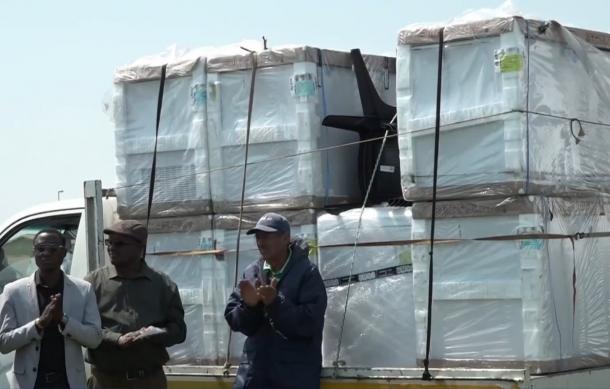
Under the first phase, 10 containers will be converted into fish shops equipped with cooling facilities.
Beneficiaries will receive initial fish stock and N$5,000 in start up capital, as well as training and mentorship in areas including business management, financial literacy, food safety, and marketing.
The Director General of the National Planning Commission, Kaire Mbuende, says the initiative gives practical meaning to Namibia's blue economy and national development priorities.
"Marine resources must therefore do more than generate export earnings. They must contribute to food security, local value addition, enterprise development, employment, and improved household incomes. This is at the heart of the Blue Economy."
Erongo Governor Nathalia |Goagoses says the project will also explore aquaculture in its second phase, subject to technical and environmental assessments.
"This is how we broaden participation in the fisheries sector and ensure that the benefits of our marine resources circulate within our communities. To our young people, I say: The fisheries sector is much bigger than catching fish. It includes logistics, cold storage, processing, retail, aquaculture, technology, marketing, tourism, and research."
Beneficiaries have welcomed the project.
"As beneficiaries, today we don't just receive fish shops, but we are receiving hope, dignity, and opportunity that we shall continue to embrace with the highest gratitude. We are humbled by the trust placed in us by the Office of the Governor. Each of us has signed a three-year contract, and we commit ourselves to honoring this responsibility," says Emilie Intumba Mukanda, a representative of the beneficiaries.
The project is supported by government institutions, the Namibian Fish Consumption Promotion Trust, local authorities, and the private sector.