


Namibia is expanding its fight against wildlife and environmental crime to include flora and forestry offences, as the government moves to strengthen its response to increasingly sophisticated criminal networks.
The revised National Strategy on Wildlife and Environmental Protection for 2026 to 2035 was launched at the third National Stakeholder Forum on Wildlife and Environmental Protection, hosted by the Ministry of Environment, Forestry and Tourism.
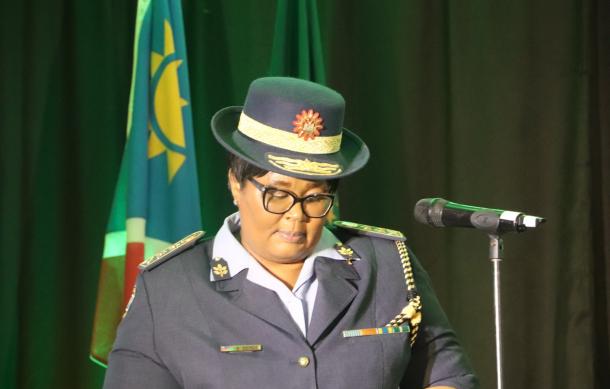
Acting Inspector General of the Police, Anne-Marie Nainda, said environmental crime has evolved beyond poaching, with forests, flora and broader ecosystems increasingly targeted.
"This updated strategy ensures that every link in the illegal environmental supply chain, from poaching in the field to the illicit trafficking and timber logging across our borders, is met with a robust intelligence-led law enforcement response."
Major General Nainda said police will strengthen intelligence and investigations, prosecution pathways, inter-agency cooperation and cross-border law enforcement to dismantle organised criminal networks.
Environment, Forestry and Tourism Minister Indileni Daniel said wildlife and environmental crime continue to threaten Namibia's economy, tourism, communities and conservation efforts.
"To address poaching and trafficking, we need to cut demand by making sure we cut the line to the underworld market. Once the market is paralysed, poaching and illegal plant crime will surely and for sure decline."
Daniel noted that Namibia has made progress in reducing wildlife crime, with 43 rhinos poached in 2025, a decrease from 91 in 2024. However, 24 rhinos have already been poached in 2026, indicating that the threat remains significant despite this decline.
The minister said the government has also strengthened legislation and established specialised structures, including the Wildlife Protection Service Division and the Environmental Crime Unit within the Office of the Prosecutor General.
The forum brought together stakeholders to review the status of wildlife crime and its prosecution, available resources and funding, human resources, and specialised law-enforcement capacity.