MISS NAMIBIA FINALISTS TOUR MEATCO OKAPUKA FEEDLOT
Breadcrumb
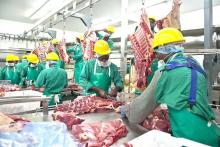
The 10 Miss Namibia finalists visited the MeatCo Okapuka Feedlot as part of an educational tour hosted by pageant sponsor MeatCo.
Meatco on Friday announced that it has achieved a Blue Rating in a Woolworths Food Safety Audit, a development expected to strengthen the company's efforts to supply premium Namibian beef products to one of southern Africa's leading retail chains.
Farmers from the Kavango East Regional Farmers Union have high expectations for Meatco's new Northern Communal Areas (NCA) CEO.
Timotheus Kativa has been appointed Meatco's CEO for the new Northern Communal Areas.
The farmers met Kativa during an engagement at Rundu on Wednesday.
The takeover of the Katima Mulilo abattoir by ZamCo from MeatCo is underway, with the two institutions conducting information sessions on operations ahead of the handover scheduled for 1 July.
Employees of MeatCo have handed over a petition over delayed salary increments and demanded fairness and accountability from management.
Several cattle farmers in the Zambezi Region are seeking answers after they were told that their cattle would not be bought by the Katima Mulilo Meatco abattoir.
This is despite previously having registered and given a date to show up for the sale.
Meatco has suspended its Acting Chief Executive Officer, Patrick Liebenberg, with effect from 14 July 2025, pending an investigation.
Liebenberg also held the position of Executive: Livestock Procurement and Production.
The Minister of Agriculture, Water and Land Reform announced the recent resignation of the Chairperson of Meatco's Board of Directors, Sakaria Nghikembua.
The Namibian Police in the Zambezi Region have advised Meatco to beef up security at its Kopano Quarantine Camp, where stock theft is becoming rife at the government facility.
The Meat Corporation of Namibia has 900 cattle quarantined there.
Farmers in the Kunene and Omusati regions say non-functional abattoirs and poor livestock infrastructure are primary obstacles to accessing a profitable market.