


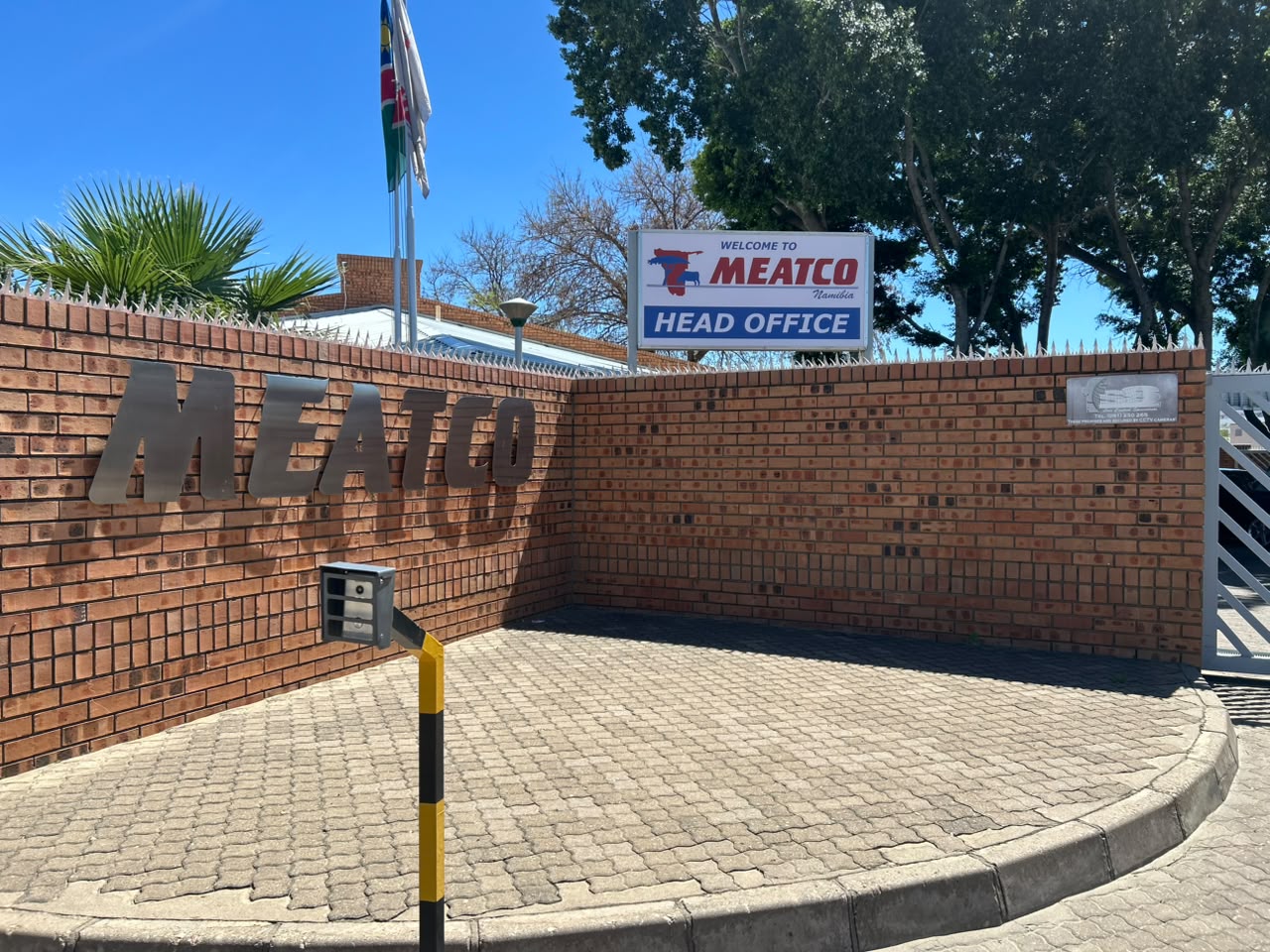
Meatco has expressed concerns over continued restrictions on the movement and direct sale of livestock that could put pressure on the meat industry.
Meatco's Interim CEO Ambassador Albertus !Aochamub stated that producers currently cannot deliver livestock directly to export abattoirs, while animals in registered feedlots must complete a 30-day quarantine period before slaughter.
He said livestock that entered registered feedlots from 23 September could qualify for slaughter at licensed export abattoirs from 23 October after meeting quarantine requirements.
"The limitation is still imposed on direct slaughter. In other words, producers can't deliver to us directly as it used to be the case until the outbreak. In the medium term, for the next 90 days, we have the ability to honour all of our short-term obligations and financial obligations and to pay the producers and all the other creditors. That's what will pay salaries."
He noted that financing arrangements and discussions with lending institutions have been concluded to help navigate the current crisis.
Ambassador !Aochamub said the industry’s outlook beyond that period will depend on whether livestock volumes can be maintained and premium export markets reopened.
“The entire industry is now reassessing its ability to retain all employees, maintain all the credit lines, and continue operating at full capacity. If we are not going to have the throughput required from producers to sustain our operations, and if the markets that were offering us the best prices remain unavailable for longer than 90 days, that is a discussion that still needs to take place.”
Ambassador !Aochamub noted that it is accelerating efforts to diversify export destinations beyond its traditional markets.
He stressed that advanced discussions are underway with clients in Africa and the Middle East, while the Rundu export abattoir provides an opportunity to continue servicing alternative markets.
“Meatco is the only operator that can function across the whole country, both north and south of the veterinary cordon fence. This means that we have the ability to move a lot of our productive capacity to the one facility we have in Rundu. Rundu is an export-certified abattoir, and it can export products outside Namibia as well. Once we process it bone-in, we can only sell it locally. But if it is boneless and meets the quarantine requirements, we will be able to move that product nationally and to markets where there is demand.”