


The 2nd Conference on Innovations in Tuberculosis is specifically designed to address gaps in fighting TB in Africa by engaging in unbiased scientific exchange and education regarding clinically relevant advances in TB.
The conference, which started in Windhoek on Monday, is held as a key pre-conference to the 19th International Conference on HIV Treatment, Pathogenesis, and Prevention Research in Resource-Limited Settings.
TB remains on record as the world's deadliest infectious killer, having surpassed HIV as the leading cause of death among infectious diseases.
The year 2023 recorded 1.25 million deaths.
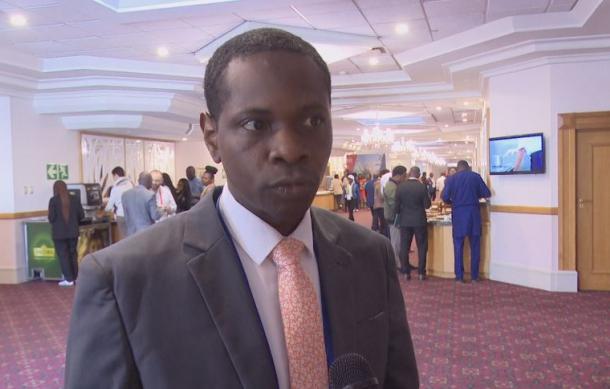
"For Africa, we still have a number of challenges in terms of overcoming TB. You know TB has been here for long, and some of the African countries are in the top ten that have the high burden. The challenge is to look at the diagnoses, as there are a number of challenges with diagnoses. In addition, we also have challenges with children because it is difficult to diagnose it in children. Besides that, when it comes to funding programmes it requires a lot of funds, so we need that commitment from the government, civil society and local agencies to be able to fund 1 or 2 aspects of TB," said Dr. Adekola Adekunle, TB & HIV Programme Coordinator.
Adekunle said that while TB continues to be a major public health challenge globally, it is important to note it is a curable and preventable disease.
"TB, as you know, is airborne, and we have to work together as a community. The management needs to be communal; that is, everybody needs to care for each other. If you see somebody that has the symptoms and signs, the next thing is not to stigmatise but to make sure the person gets care."
He also touched on the success of the continent in addressing TB, saying that "we are making quite considerable strides in terms of getting more people treatment. This means increasing access, as access is also a big challenge for those affected, and we are trying to make sure those affected get on treatment so these gaps are being closed in Africa."
A conference such as this offers hope, he said, as it seeks to identify innovation by researchers and healthcare professionals from high-burden countries in Africa and commitment by key international organisations, the private sector, civil society, researchers, and implementers.
The conference will discuss the clinical translation of recent developments in the context of regional epidemic patterns and healthcare systems and share real-world experiences, facilitating evidence-based implementation of programmes.
It also means to foster new and lasting cross-disciplinary collaborations to strengthen TB research and management in high-disease-burden regions, as well as encourage and support early-career investigators in their trajectory towards becoming future leaders in TB research.